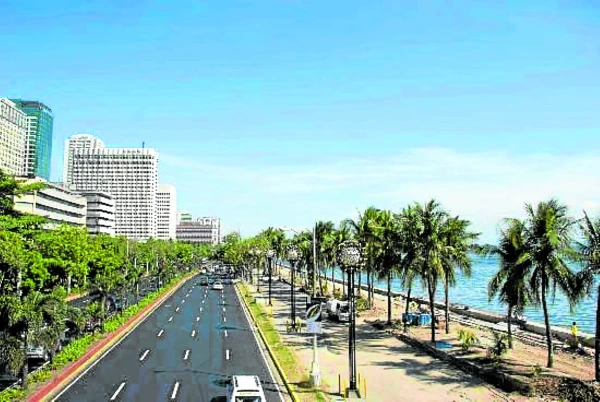
The recent removal of trees along Quirino Avenue and Roxas Boulevard has reignited a crucial conversation about urban development in Metro Manila. For many residents, these trees were more than just roadside foliage—they were silent companions on weekend jogs, providing shade and a sense of place.
As one jogger noted, you start noticing which streets stay cooler longer, which sidewalks become unbearable after 9 a.m., and which areas feel harsher after losing their canopy. Yet in infrastructure discussions, trees are rarely mentioned alongside roads, drainage, and transport systems.
Anyone who regularly walks through Manila knows the difference a tree cover makes. A shaded stretch along Roxas Boulevard feels completely different from walking beside exposed concrete and asphalt. The air moves differently, the heat feels lighter, and even the pace of walking changes.
In older districts like Malate, Ermita, and Paco, mature trees soften the city in ways that are difficult to measure but impossible to ignore. As the city pushes forward with development, integrating green infrastructure—trees, parks, and green corridors—must become a priority. Progress shouldn't come at the cost of the natural elements that make urban life bearable.