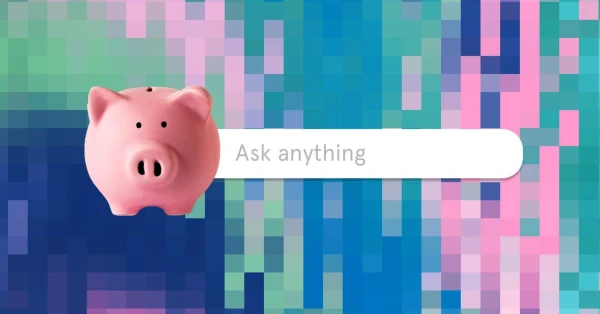
As people increasingly rely on AI chatbots for financial guidance, experts urge caution. While chatbots like ChatGPT, Claude, and Gemini can help with basic budgeting, they are no substitute for licensed professionals.
1. Lack of Personalization
Chatbots offer generic advice that may not account for your unique financial situation, tax implications, or long-term goals.
2. Outdated or Inaccurate Information
AI models are not always updated with the latest tax laws, interest rates, or market conditions. They can also "hallucinate" facts.
3. No Accountability
If a chatbot gives bad advice that costs you money, there's no recourse. Financial advisors are regulated and insured; chatbots are not.
4. Privacy Risks
Sharing sensitive financial data with a chatbot could lead to data breaches or misuse, as conversations may be stored or used for training.
5. Overconfidence Effect
Chatbots often sound authoritative, leading users to trust them blindly. But they lack true understanding, which can be dangerous for complex decisions like investing or retirement planning.
OpenAI spokesperson Niko Felix stated, "ChatGPT can be a helpful tool for exploring options, but it is not a substitute for licensed financial professionals." The company's terms of use also caution against relying on its outputs for professional advice.
Bottom line: Use chatbots as a starting point, but always consult a human expert for significant financial decisions.