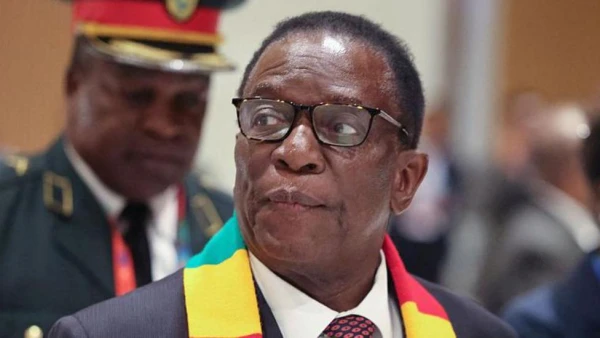
A contentious proposal to fundamentally alter Zimbabwe's political landscape has ignited a fierce national debate, pitting the ruling party against opposition forces over the future of presidential elections.
Zanu-PF, the party that has governed since independence in 1980, is advancing constitutional amendments that would shift the power to elect the president from the electorate to parliament. The legislation would also extend presidential and parliamentary terms from five to seven years, delay the next parliamentary elections from 2028 to 2030, and allow President Emmerson Mnangagwa—whose second term is set to end in 2028—to remain in office until 2030.
Opposition leaders have denounced the move as a "slow coup" that threatens to reverse democratic gains. Veteran politician Tendai Biti, who leads the Constitution Defenders Forum, told the BBC, "This is a coup, a slow coup that is unfolding in Zimbabwe." He and other critics argue the proposal violates constitutional requirements for referendums on term extensions and could recreate the "imperial presidency" of the Mugabe era.
Zanu-PF spokesman Patrick Chinamasa defended the changes, stating, "There's nothing that stops us to change, to go to another system that's less costly, less controversial." He argued that parliamentary election of the president would reduce violence associated with direct elections and maintain political stability.
The deep polarization was evident during recent public hearings. At a session in Harare, thousands gathered with supporters cheering calls for Mnangagwa to remain in office. However, when opponents attempted to speak, scenes turned chaotic with pushing, shoving, and alleged intimidation. Opposition lawyer Fadzayi Mahere accused Zanu-PF supporters of deliberately causing "commotion" to silence critics.
Chinamasa denied ruling party involvement in the violence, asking, "What reason do we have as Zanu-PF to be violent when the masses are behind us?"
Opposition groups report increasing repression, including police bans on their meetings and attacks on activists. Lovemore Madhuku, leader of the National Constitutional Assembly, said he was beaten by masked assailants while police watched.
The proposed changes represent a significant departure from the 2013 constitution, which limited presidents to two terms and required voter approval via referendum for any term limit extensions. Critics argue the current legislation circumvents these protections.
"They are making the mistake that Mugabe made. That of closing [the democratic] space absolutely," Biti warned.
Parliament is expected to pass the bill in coming weeks, potentially setting Zimbabwe on a new political course that supporters claim will strengthen democracy while opponents fear marks a return to authoritarian rule.