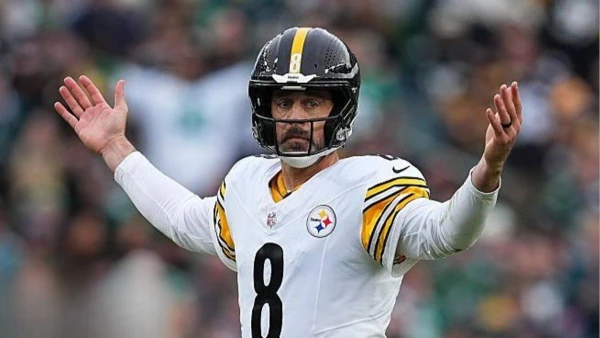
Veteran NFL quarterback Aaron Rodgers, a four-time league MVP, may have played his final professional game after the Pittsburgh Steelers abruptly released him on Wednesday.
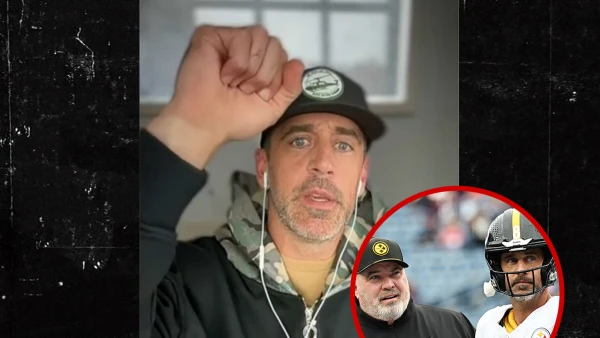
The move followed a public feud between Rodgers and head coach Mike McCarthy, culminating in a terse statement from the team confirming his departure. Hours earlier, Rodgers had told the Pat McAfee Show that his time with Pittsburgh was over, declaring, "That ship has sailed."
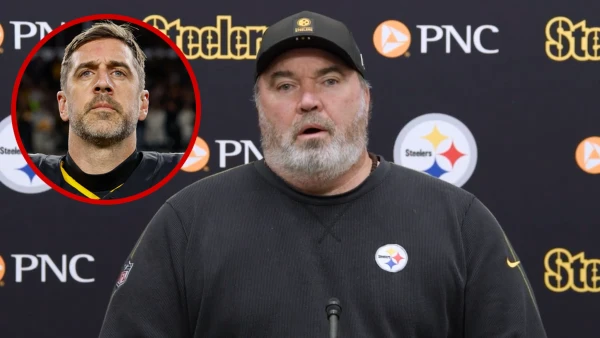
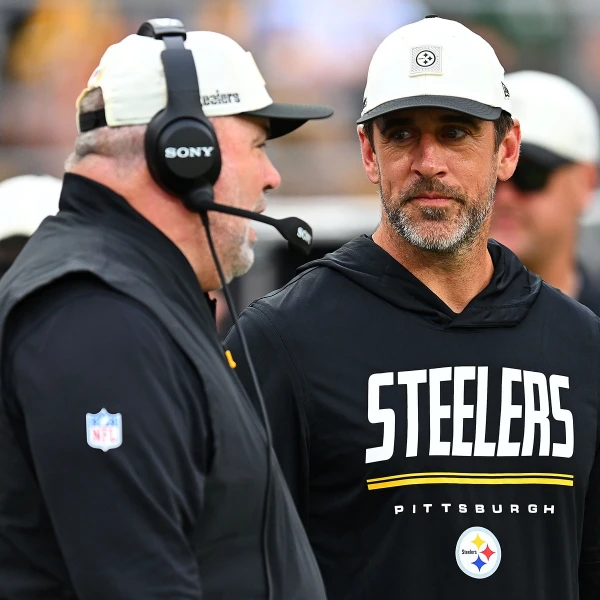
Rodgers, who turns 43 next week, had been critical of McCarthy in the interview, even alleging the coach fell asleep during team meetings. McCarthy fired back, calling Rodgers’ remarks an "ultimatum" that exceeded his role and insisting the decision to cut the star player was his alone.
The timing of the release stunned observers, coming just days before the Steelers were set to face the Denver Broncos with Rodgers benched. Pittsburgh had already named Mason Rudolph the starting quarterback for the game, signaling a clear shift in strategy. The team’s 6-4 record suggests playoff contention, but their offensive struggles—ranking 22nd in points and passing yards—have raised questions about their long-term prospects.
Rodgers, who joined Pittsburgh in 2025 after stints with the Green Bay Packers and New York Jets, had initially planned to retire after leading the Steelers to last season’s playoffs. He reconsidered when McCarthy took the helm, but the partnership quickly soured. "This season wasn’t what I signed up for," Rodgers admitted on the show.
The Steelers’ decision to part ways with a franchise icon reflects deeper tensions. Rodgers’ clashes with management and coaches are well-documented, but this final falling-out lacks the dignity of a graceful exit. While his statistics—16 touchdowns and six interceptions in 10 games—remain respectable for his age, the team’s offensive woes extend beyond his performance.
Key contributors like wide receiver DK Metcalf, brought in alongside Rodgers, have underperformed, and injuries to Michael Pittman Jr. have further weakened the receiving corps. With Rudolph, a nine-year veteran, now at the helm, Pittsburgh faces a critical juncture. If his leadership fails to spark the offense, the team may turn to its unproven young quarterbacks—a risky gamble at this stage of the season.
Rodgers leaves behind a legacy as one of the NFL’s greatest passers, with four MVP awards and a Super Bowl victory in 2011. Yet his final chapter in Pittsburgh will be remembered for acrimony rather than accolades, a stark contrast to the hall-of-fame career that defined him.