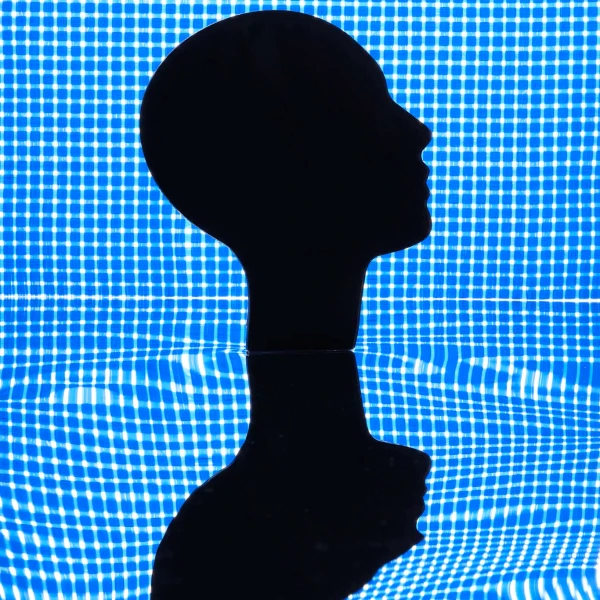
In a surprising twist that challenges long-held assumptions about artificial intelligence, artists across disciplines are discovering that AI tools are becoming indispensable creative partners rather than robotic replacements. What began as simple algorithmic assistance has evolved into sophisticated collaboration that's producing work neither human nor machine could create alone.
"I used to view AI as a threat to everything I valued about art," confessed painter Elena Rodriguez, whose recent exhibition featured works co-created with neural networks. "Now I see it as the most exciting collaborator I've ever had. It suggests color combinations I'd never consider, interprets my sketches in ways that reveal hidden patterns, and pushes me beyond my own creative habits."
This transformation is particularly evident in music composition, where AI systems analyze thousands of musical works to generate novel harmonies and structures. Composer David Chen recently premiered a symphony developed through what he calls "creative ping-pong"—exchanging musical ideas with an AI system over several months.
"The AI doesn't have ego or preconceptions," Chen explained. "It will suggest a chord progression that initially seems wrong, but when I explore it, I discover new emotional territory. We're creating music that feels both familiar and completely unprecedented."
Even traditionalists are finding unexpected value. Poet Maya Johnson, initially skeptical of algorithmic assistance, now uses language models to break through writer's block. "When I'm stuck, I'll feed the AI a few lines and ask for twenty variations. Most are unusable, but one or two will contain a surprising metaphor or rhythm that unlocks the whole poem."
Critics remain divided. Some argue that AI-assisted art lacks the authentic human experience that defines great work, while others counter that all art involves tools and influences. What's clear is that the creative landscape is shifting from solitary genius to collaborative ecosystems where human intuition and machine intelligence combine in unprecedented ways.
As Rodriguez concluded: "The question isn't whether AI kills creativity, but whether we're creative enough to use it well. The most interesting art happens at the intersection of different perspectives—and AI offers a perspective unlike any other."