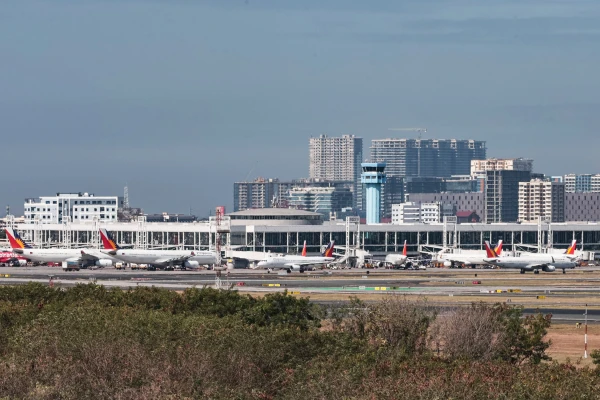
A new analysis from Oxford Economics warns that the Philippines and Thailand are the most vulnerable Asian economies to a potential aviation downturn, driven by soaring jet fuel costs and supply constraints.
Senior economist Sheana Yue highlighted in a client note that both countries' heavy reliance on international tourism makes them particularly exposed. "Higher oil prices typically dampen travel demand through higher airfares, but refined aviation fuel shortages could limit capacity even where demand is still resilient," Yue stated.
"Flight capacity might be rationalized due to fuel constraints," she added.
The warning comes amid global concerns about aviation fuel availability. Last month, Philippine President Ferdinand Marcos Jr. told Bloomberg that grounding planes is a "distinct possibility" due to shortages linked to the Middle East conflict, noting long-haul flights could become "a much more serious problem."
While Philippine officials and airlines have offered reassurances—Energy Secretary Sharon Garin said carriers have sufficient orders, and Philippine Airlines claimed it has enough fuel "for the foreseeable future"—the underlying economic risks remain significant.
Yue explained that airlines are currently prioritizing long-haul routes due to their higher profitability and strategic importance, but cuts are already happening on more price-sensitive short-haul and domestic flights. "However, if fuel constraints persist, even long-haul capacity could eventually come under pressure, particularly for leisure-heavy routes linking Southeast Asia to Europe and the US," she cautioned.
The potential ripple effects extend far beyond airports. "Given the labor-intensive nature of tourism supply chains, these constraints could rapidly spill over into broader services activity, such as accommodation, retail, and domestic transport," Yue noted, suggesting that employment and economic growth in both countries could face substantial headwinds if the aviation sector stumbles.