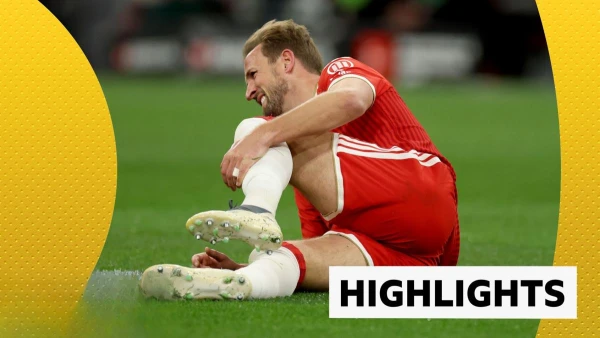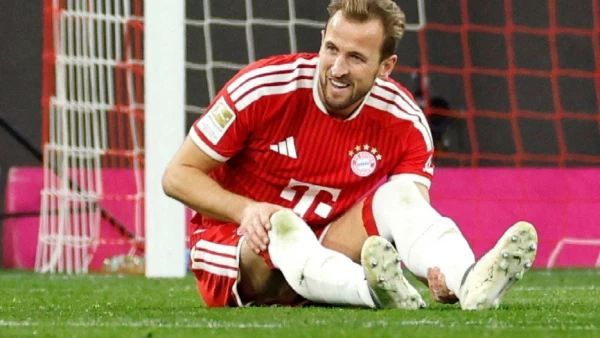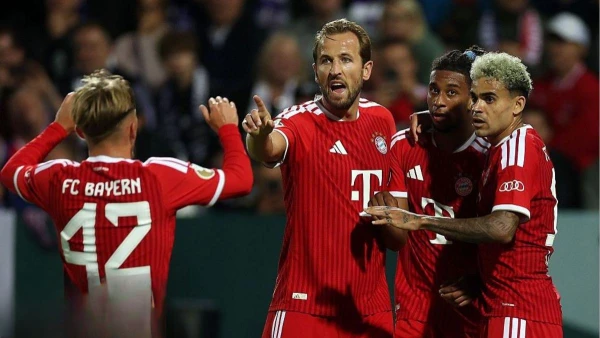
Bayern Munich’s rise to global football dominance isn’t just about signing world-class stars like Harry Kane. It’s about a relentless commitment to developing homegrown talent—a philosophy that has turned the Bavarian club into a beacon for youth development in Europe.
At the heart of this strategy is the Bayern Campus, a state-of-the-art facility that opened in 2017. Here, director of youth development Jochen Sauer oversees a system designed to nurture local players while still competing at the highest international level. "Mia San Mia"—"We are who we are"—isn’t just a slogan; it’s the guiding principle behind Bayern’s approach to building teams that blend regional pride with global ambition.
"Our identity has always been rooted in being a club that draws from Munich and Bavaria," Sauer explains. "But we also aim to be competitive in the Champions League, which means we need to scout beyond our immediate backyard."
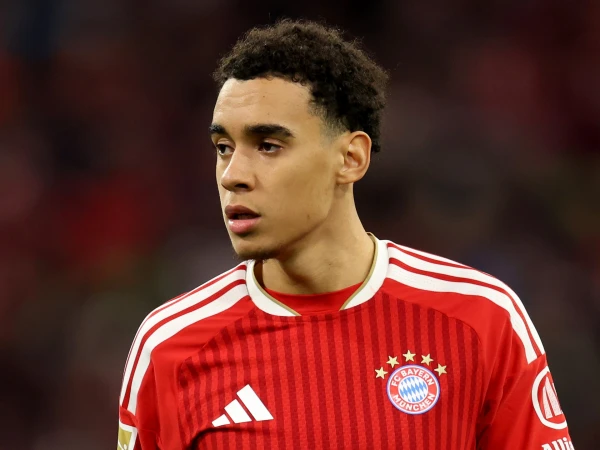
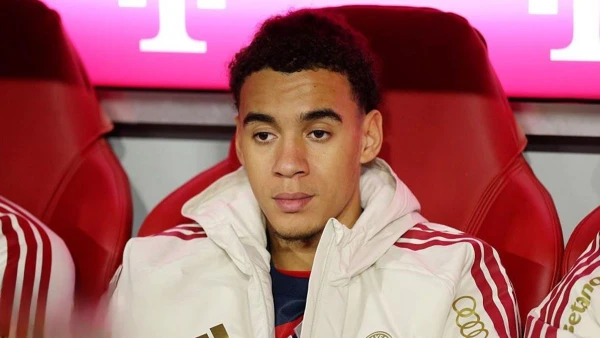
The academy’s recruitment strategy is meticulous. For players aged 11 to 15, Bayern prioritizes talent from the Munich area and Bavaria. The goal? To ensure that even as the club signs international stars, a core of homegrown players remains a constant in the senior squad. This philosophy has produced gems like Jamal Musiala, the 23-year-old Germany international who joined Bayern at 16 after a brief stint with Chelsea’s youth system. His rapid rise—six Bundesliga titles under his belt—is a testament to the club’s ability to spot and refine raw potential.
Musiala’s journey wasn’t just about talent; it was about timing. Bayern’s scouts had long been aware of the youngster, but his move to Chelsea as a child nearly derailed his path to Munich. "Chelsea didn’t see his full potential at the time," Sauer recalls. "That gap gave us the opportunity to bring him in."
The academy’s success isn’t accidental. Former Bayern striker Miroslav Klose, who coached Musiala in the under-17 team, played a pivotal role in shaping his game. Klose’s emphasis on defensive discipline helped Musiala transition from a winger to a more versatile midfielder—a lesson in adaptability that defines Bayern’s development philosophy.
"We want players who understand what it takes to wear the Bayern shirt," Sauer says. "It’s not just about skill; it’s about character, resilience, and the mentality to thrive in a high-pressure environment."
This ethos is reinforced by Bayern’s coaching staff, which often includes former players like Dante, the club’s current under-19 head coach. "They bring the Bayern DNA—less about tactics, more about the intangibles that make a player elite," Sauer notes.
Yet, Bayern’s youth system isn’t rigid. Coaches are given guidelines but encouraged to innovate. The club’s style—characterized by dominance and intensity—evolves with each generation, drawing inspiration from past legends like Pep Guardiola and Jupp Heynckes while adapting to modern demands.
The proof is in the numbers. Nearly 44% of Bayern’s youth players who reach the under-19 level go on to play professionally. For those who don’t crack the first team, the academy offers a safety net: a pathway to tier-one, tier-two, or tier-three clubs across Europe. "We can’t promise every player will start for Bayern," Sauer admits. "But we can guarantee they’ll leave as better footballers."
This dual focus—on elite performance and financial sustainability—is critical. Bayern can’t match the spending power of English clubs, so selling developed talent like Mathys Tel to Tottenham and Adam Aznou to Everton helps fund the academy’s future. "To stay competitive, we have to make smart business decisions," Sauer says. "But our ultimate goal is to keep producing players who can step into the first team."
With a Champions League trophy still eluding the club since 2020, Bayern’s youth academy remains a cornerstone of its long-term vision. Five or six homegrown players in the starting XI might not sound like a revolution, but in an era where money often dictates success, Bayern’s commitment to its roots is a masterclass in sustainable excellence.