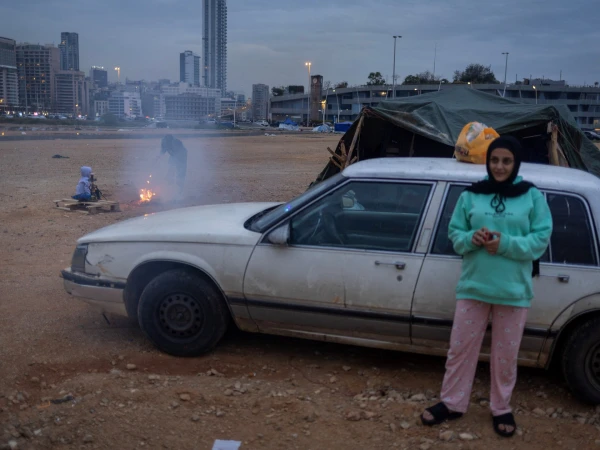
In the historic Karantina district of Beirut, a proposed displacement center project has been abruptly canceled following intense local opposition, reigniting deep-seated sectarian fears that trace back to Lebanon's brutal civil war era.
Residents of Karantina, a working-class neighborhood with a complex history of displacement and conflict, mobilized against the planned center, arguing it would disrupt the area's fragile social balance. The project's cancellation comes amid growing concerns about how Lebanon handles displacement issues while navigating its delicate sectarian landscape.
"This isn't just about a building project," explained local community organizer Layla Hassan. "It's about memory—about what happened here during the war and what we're trying to build now. People fear that bringing in displaced populations could upset the careful equilibrium we've established."
The controversy has exposed lingering divisions in a country still grappling with the legacy of its 15-year civil war, which ended in 1990 but left deep scars on Lebanon's social fabric. Karantina itself was the site of significant violence during the conflict, making the current debate particularly charged.
Political analysts note the incident reflects broader challenges facing Lebanon as it contends with multiple crises simultaneously. "When resources are scarce and institutions are weak, these kinds of local disputes quickly take on larger symbolic meaning," said political science professor Samir Farah. "What happens in Karantina doesn't stay in Karantina—it becomes a microcosm of national tensions."
Community leaders are now calling for dialogue to address both immediate housing needs and deeper historical grievances. The canceled project has sparked conversations about how Lebanon can develop inclusive policies that acknowledge past trauma while building toward a more stable future.
As one elderly resident, who asked to remain anonymous, put it: "We remember what happened here. We don't want our grandchildren to live through the same fears. But we also know people need help. There must be a better way."