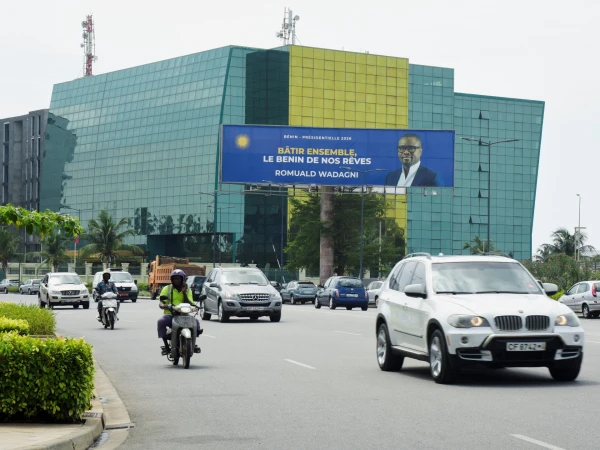
Benin's Finance Minister Romuald Wadagni is widely regarded as the frontrunner in the upcoming presidential election, set to take place this Sunday. The election marks a significant transition as incumbent President Patrice Talon prepares to step down after leading the West African nation for ten years.
Wadagni, who has served as finance minister since 2016, has built a reputation for economic stewardship during Talon's administration. His candidacy represents continuity for many voters who credit the current government with infrastructure improvements and relative political stability.
"This election is about maintaining the progress we've made while addressing the challenges that remain," said a senior campaign official for Wadagni, speaking on condition of anonymity.
President Talon, a former cotton magnate, came to power in 2016 and won re-election in 2021. His tenure has been marked by controversial constitutional changes that limited presidential terms and strengthened executive power—reforms that critics argue have undermined Benin's once-robust democratic credentials.
Sunday's vote comes amid regional instability in West Africa, where military coups have toppled governments in neighboring countries including Niger, Mali, and Burkina Faso. Benin has remained an exception to this trend, maintaining civilian rule while navigating complex security challenges along its northern border.
Analysts note that while Wadagni appears positioned for victory, the election represents a critical test for Benin's democratic institutions. Opposition parties have raised concerns about electoral fairness, though international observers will monitor the voting process.
The outcome will determine whether Benin continues its current economic trajectory or charts a new course in addressing persistent issues of poverty, youth unemployment, and regional security threats.