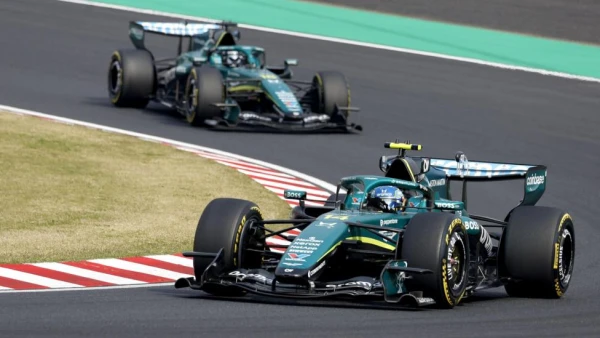
Formula 1's April hiatus hasn't silenced the paddock chatter, especially regarding Aston Martin's ongoing struggles.
While the Honda power unit's reliability issues have dominated headlines, a deeper analysis reveals the chassis is shouldering more than half of the team's performance deficit, according to insights from a senior figure within the sport.
"The information came from a very senior and knowledgeable figure over the course of the Japanese Grand Prix weekend," the report states, noting this aligns with GPS data available to all teams.
Team principal Adrian Newey has been candid about the car's shortcomings, suggesting the chassis alone places them as potentially "the fifth best team." The numbers are stark: Aston Martin's qualifying pace is an average of 3.6 seconds off the leaders. If the deficit were solely engine-related, swapping in a rival unit like Mercedes' would only bridge part of the gap, potentially leaving the car in the midfield alongside teams like Alpine or Haas.
The car's troubled development—reportedly restarting upon Newey's arrival last March and facing a compressed timeline—has resulted in an overweight machine with significant aerodynamic inefficiencies. Furthermore, the root cause of the severe vibrations plaguing the Honda engine remains unclear; it's uncertain whether they are intrinsic to the power unit or exacerbated by its integration with the chassis.
This revelation shifts the narrative, highlighting that Aston Martin's path back to competitiveness requires holistic improvements, not just a fix under the engine cover.