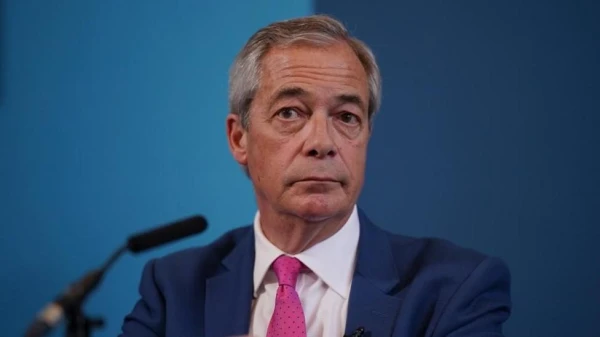
Reform UK has announced a controversial immigration policy that would deny new visas to citizens of countries formally seeking slavery reparations from Britain if the party forms the next government.
The proposal, detailed by the party led by Nigel Farage, would apply to any nation developing a formal approach for reparations and would cover all visa categories, including visitor and work permits. The policy specifically targets countries in the Caribbean and Africa that Reform identifies as making demands, naming Barbados, Jamaica, Nigeria, and Ghana as examples.
Zia Yusuf, Reform's home affairs spokesman, defended the proposal, stating that nations seeking reparations "ignore the fact that Britain made huge sacrifices to be the first major power to outlaw slavery and enforce this prohibition." The party considers actions such as establishing national reparations committees, tabling motions at the United Nations, making high court claims, or issuing official declarations as formal demands that would trigger the visa ban.
This announcement follows recent international developments on the issue. Just two weeks ago, the United Nations General Assembly adopted a resolution declaring the transatlantic slave trade "the gravest crime against humanity" and emphasized that reparation claims "represent a concrete step towards remedying historical wrongs against Africans and people of African descent." The resolution passed with 123 votes in favor and only three against, with the United Kingdom among the countries that abstained.
Britain's historical involvement in the transatlantic slave trade saw an estimated three million African people transported across the Atlantic before the practice was abolished in the early 1800s. Successive UK governments have consistently rejected calls for reparations, which can range from financial compensation to symbolic measures.
Conservative Party leader Kemi Badenoch reinforced this position last month, stating that the UK should not pay compensation for "a crime we helped eradicate and still fight today." Meanwhile, in October 2024, Commonwealth leaders agreed that "the time has come" for discussions about reparations for the slave trade, despite the UK's efforts to keep the topic off the agenda at a summit in Samoa.
Prime Minister Sir Keir Starmer clarified that no financial discussions occurred at the meeting and reiterated the UK's "very clear" position against paying reparations.
The Caribbean Community (Caricom), comprising 21 nations, has been advocating for reparatory justice for over a decade through a comprehensive 10-point plan. This plan includes requests for a formal apology, debt cancellation, and investments to address public health and literacy issues.
Political reactions to Reform's proposal have been sharply critical. A Labour Party spokesperson dismissed it as a "desperate gimmick," while Liberal Democrat immigration and asylum spokesperson Will Forster accused Reform of "chasing cheap headlines by threatening our allies," warning that the policy would "damage our economy and our public services." The Conservative Party declined to comment on the proposal.
The Green Party, when asked about slavery reparations, highlighted a statement from its Global Majority Greens subgroup welcoming the recent UN resolution on the matter.