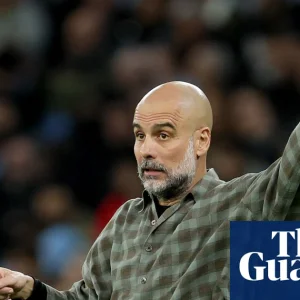
Gone are the days when a football manager’s only options for sideline attire were an oversized club tracksuit or a poorly fitted suit. Today, the technical area has seamlessly morphed into a high-stakes runway. Modern head coaches are increasingly utilizing their matchday wardrobes as powerful tools to project authority, communicate their footballing philosophy, and establish psychological dominance before a ball is even kicked.
Take a glance across Europe’s premier leagues, and you will notice that sartorial choices are now as deeply scrutinized as tactical formations. The sharp, monochromatic minimalism favored by today's elite tacticians deliberately signals calculated precision and intense focus. Conversely, the rise of premium streetwear on the touchline serves to bridge the generational divide between veteran managers and their young squads, proving that fashion is an essential, unspoken language of modern leadership.
This dramatic shift is far more than a simple matter of aesthetics; it is a highly calculated branding exercise. A manager meticulously pacing the touchline in bespoke knitwear or Italian tailoring projects a markedly different aura compared to a coach clad in a club-branded baseball cap and trainers. The former demands a level of corporate respect and sophistication, while the latter aligns itself closely with the grassroots origins of the fanbase and the gritty, hands-on reality of the training ground.
Ultimately, a manager's wardrobe provides a fascinating, transparent window into their mindset and methodology. Whether they prefer high-end designer labels, utilitarian sideline jackets, or a classic tailored look, what a coach chooses to wear on matchday often speaks just as loudly—and effectively—as the intricate formations they draw up on the dressing room whiteboard.