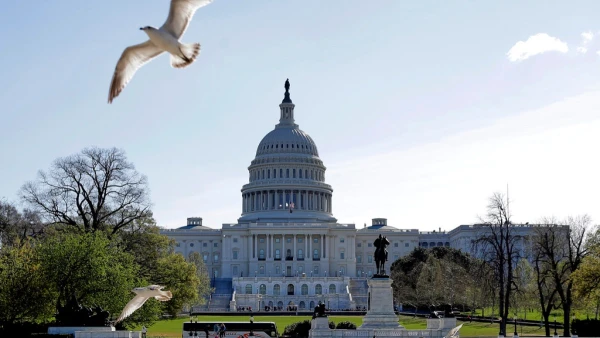
In a significant bipartisan move, the U.S. House of Representatives has voted to extend Temporary Protected Status (TPS) for nearly 350,000 Haitian nationals currently residing in the United States. The decision represents a direct challenge to previous immigration policies and underscores growing political divisions over humanitarian protections.
Ten Republican lawmakers joined their Democratic colleagues in supporting the measure, creating an unusual cross-party alliance on an issue that has typically followed strict partisan lines. The extension will allow Haitian TPS holders to remain legally in the country and continue working, providing stability for families who have built lives in the U.S. while their homeland faces ongoing challenges.
"This vote sends a clear message about our nation's commitment to humanitarian values," said one congressional aide familiar with the negotiations. "Protecting vulnerable populations shouldn't be a partisan issue when lives are at stake."
The Temporary Protected Status program was established to offer refuge to nationals of countries experiencing armed conflict, environmental disasters, or other extraordinary conditions that make safe return impossible. Haiti has qualified for TPS designation since 2010 following a devastating earthquake that killed hundreds of thousands and crippled the nation's infrastructure.
Recent years have seen Haiti grapple with additional crises including political instability, gang violence, and natural disasters that have further complicated recovery efforts. Many TPS recipients have lived in the United States for over a decade, establishing careers, raising children, and contributing to their local communities.
Opponents of the extension argue that temporary protections should not become permanent residency pathways, while supporters emphasize the humanitarian imperative and economic contributions of TPS holders. The House vote sets the stage for further debate in the Senate, where the measure's fate remains uncertain amid broader immigration policy discussions.
This legislative action comes as immigration continues to dominate political discourse, with competing visions for how the United States should balance border security with compassionate response to global crises. The bipartisan nature of the House vote suggests potential for compromise on certain immigration issues, even as fundamental disagreements persist.