Birmingham stands at a political precipice as an extraordinary local election approaches, with residents expressing a complex mix of frustration, apathy, and cautious hope about the city's future.
"There is something in the air in Birmingham and it's not the faint whiff of overflowing wheelie bins," observes one local commentator, capturing the tense atmosphere.
After 14 years of Labour control, the UK's second-largest city faces potential upheaval when voters head to the polls on May 7. The unresolved 14-month bin strike and last year's council bankruptcy—though officials insist it's now in the past—have eroded confidence in the current leadership. Combined with national political uncertainty, the election outcome remains unpredictable.
Polls indicate Birmingham has embraced multi-party politics, with Reform UK expressing confidence in several areas, the Green Party anticipating gains, and independent candidates offering voters a sixth option. The council's composition—currently 65 Labour seats out of 101—could shift dramatically.
Yet traditional voting patterns may persist. "That's what will happen here, I'm sure of it," predicts one man on Sparkhill's Stratford Road. "Many older people will see the red rose and vote Labour, because that's what they've always done."
Along this bustling thoroughfare of independent South Asian shops, community spirit remains strong despite political divisions. Several independent candidates are running here, some forming loose coalitions around shared values. Some pro-Palestinian independents hope to capitalize on frustrations with Labour's approach to the Israel-Gaza war, particularly in areas with large Muslim populations.
But not everyone is convinced by this focus. "The narrative is that the Muslim vote will go to the independents regardless, but that's not the case," says a Sparkhill shopkeeper. "We want whoever will fix our potholes and fight to get speed bumps in the area. They can go on about Gaza—every single Muslim wants peace—but they're not going to sort that from Birmingham, are they?"
In a local halal meat shop, customers express varied political leanings, with some considering the Greens, Lib Dems, and even Reform UK. "I look around me and things have gone downhill since I grew up here in the 90s," says a man in his 30s, citing fly-tipping and antisocial behavior as key concerns. "I think we need change here and they might be the ones to do it."
While most in the shop plan to vote, one young man has decided otherwise. "Don't get me wrong, I've voted every year of my life, but not this time," he explains. "They're just in it for themselves and I don't see the point."
Shop supervisor Tanveer Mahmood emphasizes practical expectations: "They come here with their flyers—vote me, vote me—but will we see them once it's over? A good councillor needs to be in reach when we have problems," he says, pointing to unresolved issues like illegal parking.
Mohammed Sufyain, 28, recently returned from working abroad and noticed deterioration. "I've come back and things seem worse," he observes. "Bins not collected and potholes are a huge problem. I don't think there's been any improvements here." He remains undecided among Sparkhill's 14 candidates, seeking "someone genuine, someone who cares and someone who wants to make a difference."
Six miles away in Northfield, community spirit persists despite recent shop closures. Residents here speak of rising crime, reduced police presence, and difficult cost-of-living decisions. Father-of-two Roger Hackley, who recently lost his home, feels disconnected from politics altogether. "I won't be voting," he states. "It's not for me. I just don't see how they can help me or my family."
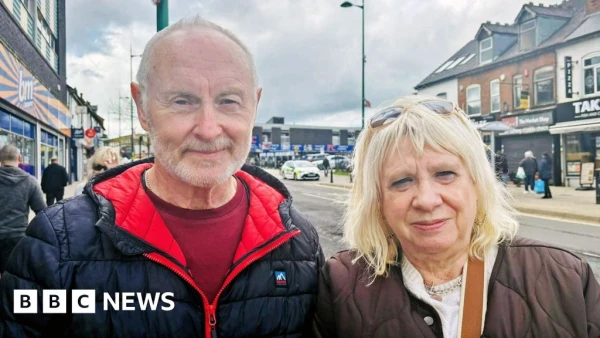
Retiree Janet Walsh expresses disillusionment with current politics, while her husband Brian follows local developments closely. "I think the council is too big—I don't think it's manageable," Brian remarks. "There's a lot of complacency... but I don't think it's as bad as the opposition and the media have been making out. And I do feel we're on the road to recovery."
Labour leaders insist they're best positioned to continue Birmingham's recovery. After delivering a balanced budget in February, council leader John Cotton declared the "bankrupt Birmingham" label no longer accurate, vowing that "mistakes of the past will not be repeated." Residents have shouldered council tax increases exceeding 17% over two years to help balance the books, while the bin strike continues with agency crews handling collections.
As election day approaches, Birmingham's voters grapple with whether to maintain the status quo or embrace change, their decisions shaped by local frustrations, national uncertainties, and the hope for genuine representation.