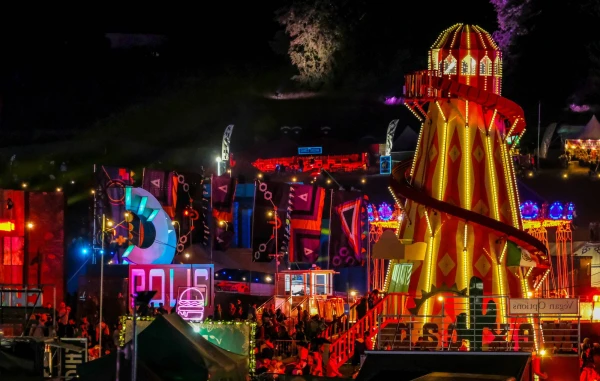
Boomtown Festival has received official approval to continue operating at its current location in the South Downs National Park until 2030, following a unanimous decision by the South Downs National Park Authority. The ruling comes despite significant opposition from local residents and environmental campaigners who raised concerns about noise pollution and the festival's impact on the protected landscape.
Located at the Matterley Estate near Winchester, the annual August event will maintain a capped attendance of 75,999 festivalgoers, with an additional 1,000 visitors permitted on Sundays. The decision represents a major victory for festival organizers who have faced mounting criticism about the event's compatibility with its national park setting.
Local resident Alisson Mathews, who lives just two miles from the festival grounds, expressed frustration about the approval. "We hear the bass beat almost constantly in our house and garden throughout the five-day festival," Mathews told the BBC. "By Sunday night, my family is completely exhausted from lack of sleep."
Mathews, a former member of the national park partnership, added: "It's particularly disappointing to see the park authority failing its residents by ignoring its primary purpose. They've done nothing to encourage Boomtown to find an alternative venue outside this protected landscape."
Environmental campaigner Christopher Langford also voiced strong objections, arguing: "The officer's report admits this is a major development that would typically be refused but claims there are exceptional circumstances. That assessment feels very subjective, and I fundamentally disagree with it."
Despite these concerns, the national park authority determined that the festival could continue under its current operating conditions through the end of the decade. The decision ensures that one of the UK's most prominent music festivals will maintain its traditional home while continuing to navigate the complex balance between cultural events and environmental preservation in protected areas.