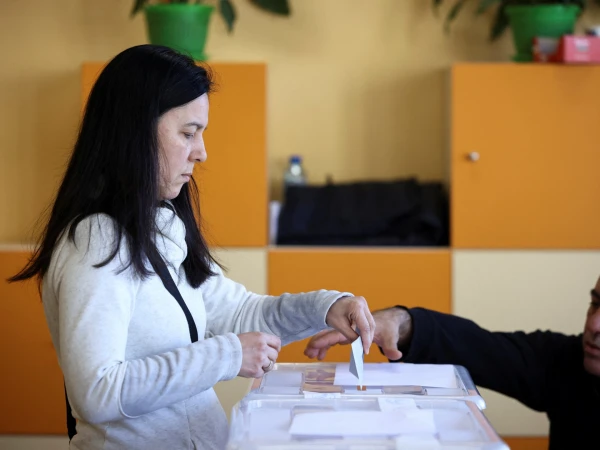
Bulgarian citizens are casting their ballots today in what has become a recurring political ritual—the eighth parliamentary election in just five years. This latest vote follows widespread public protests that culminated in the collapse of the previous government in December, underscoring the nation's persistent political turbulence.
Political analysts describe the situation as a cycle of instability, where short-lived coalitions struggle to implement lasting reforms amid deep public dissatisfaction. The frequent elections reflect a fragmented political landscape where no single party has managed to secure a durable mandate, leading to repeated deadlocks in parliament.
"This isn't just another election—it's a symptom of systemic dysfunction," said Sofia University political scientist Dr. Elena Petrova. "Voters are caught between frustration with the status quo and skepticism about alternatives, creating a perpetual state of political limbo."
The December protests that triggered the government's fall were fueled by economic concerns, corruption allegations, and demands for more transparent governance. Now, as Bulgarians return to polling stations, the central question remains whether this election will break the cycle or merely extend it.
Observers note that voter fatigue is palpable, with turnout becoming a critical factor. Many citizens express disillusionment with the political class, yet the constitutional requirement for a functioning parliament leaves them with little choice but to participate in yet another electoral process.
International attention is focused on whether this vote might finally produce a stable coalition capable of addressing Bulgaria's pressing challenges, including energy security, inflation, and judicial reforms. For now, the nation holds its breath, hoping this election might be the last in this remarkable series of political resets.