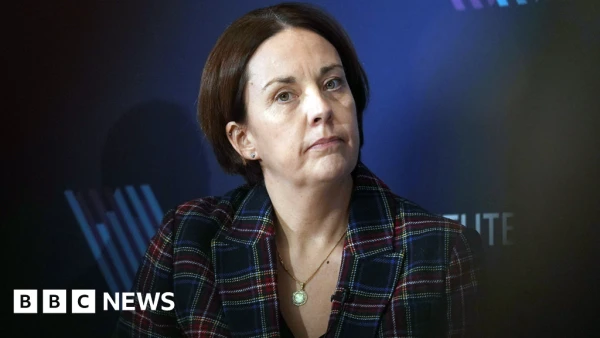
Kezia Dugdale, the former Scottish Labour leader, has been named as the new chairwoman of LGBTQ+ charity Stonewall, stepping into the role this September. Dugdale, who currently chairs Shelter in Scotland and serves as associate director of the Centre for Public Policy, expressed her enthusiasm for the appointment.
"I'm thrilled and honoured to join Stonewall," Dugdale said. "The charity is fit for the future and ready to navigate these turbulent times, influence policy, and create more safe, inclusive spaces where everyone can thrive. We won't stop until everyone, everywhere has equal rights."
Dugdale brings a background in politics and public service to the position, having led Scottish Labour from 2017 to 2019 and served as a Lothian MSP from 2011 to 2019. Her appointment comes at a pivotal moment for Stonewall, as the organization faces significant financial pressures. Recent accounts show corporate donations plummeted from £348,636 in 2024 to £143,149 in 2025—a drop of more than half that experts link to the ripple effects of U.S. government moves to dismantle diversity, equity, and inclusion policies.
Stonewall's chief executive, Simon Blake, highlighted Dugdale's qualifications, noting her "deep commitment to public service and a long history of advocating for LGBTQ+ equality." He added, "Her skills and experience across academia, politics, and welfare will be an asset to Stonewall as we deliver on our purpose to create a safe and equal world for LGBTQ+ people."
Outgoing chairwoman Ayla Holdom praised Dugdale as "the perfect leader" to take over, stating, "Serving in this role has been a profound privilege. I step down proud of the strong foundations Stonewall has built, guided by clarity of purpose and strategy to navigate the turbulence of our times."
Dugdale has previously spoken about the fragility of LGBTQ+ rights progress, revealing in 2024 that she still checks her surroundings before holding her wife's hand in public. Her leadership at Stonewall will focus on advancing equality amid growing challenges and shifting political landscapes.