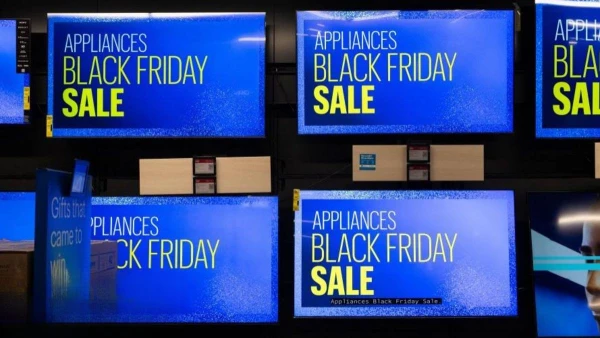
Black Friday is notorious for overwhelming shoppers with endless choices, questionable discounts, and fake reviews. As generative artificial intelligence tools like ChatGPT, Claude, and Gemini promise to streamline the bargain-hunting process, many consumers are wondering if these digital assistants can actually deliver.
To find out, we put popular free AI models to the test a week ahead of the retail holiday, asking them to track down a deal on a 55-inch television. The results were mixed, highlighting both the potential and the frustrating limitations of relying on chatbots for live retail data.
ChatGPT: Full Prices and Dead Links
OpenAI's ChatGPT offered four television options, starting with a Hisense model discounted to £499. However, subsequent recommendations included mismatched screen sizes and full-price alternatives that were no longer listed online. The chatbot also served up an explicit ad for a pricey £1,100 LG model.
Claude: Honest, But Impractical
Anthropic's Claude produced the most concise response of the group, pulling recommendations from a limited pool of online reviews. However, the experience was hindered by dead links directing users to non-existent product pages or outdated holiday round-ups from previous years. Claude even recommended specific Samsung TVs while actively advising against buying them.
Gemini and Alexa: Mixed Accuracy
Google's Gemini provided a neat comparison table for four TV models, but omitted direct store links entirely. While some listed prices were accurate, others were out of stock or significantly more expensive upon closer inspection. Meanwhile, Amazon's Alexa offered accurate pricing and helpful recommendations, but its search was strictly limited to Amazon's own inventory.
The Verdict on AI Deal-Hunting
While advanced features like agentic AI—which allows chatbots to carry out multi-step tasks autonomously—offer a glimpse into the future of automated shopping, experts warn that live pricing data remains a major hurdle.
Inaccurate pricing and outdated product catalogs mean shoppers often waste valuable time verifying chatbot claims. Consumer groups and industry experts advise treating AI recommendations with caution, double-checking prices independently, and verifying that offers reflect current sales rather than stale data from previous years.