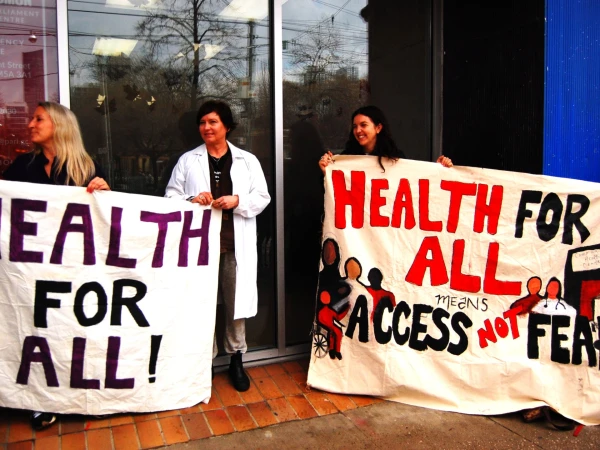
Health professionals and human rights advocates are raising urgent concerns over Canada's decision to implement co-payments for refugee healthcare services, warning that the move could effectively block access to essential medical treatment.
Starting May 1, refugees will be required to pay out-of-pocket fees for healthcare services that were previously covered under the Interim Federal Health Program. Critics argue these financial barriers will create what they describe as a "de facto denial of care" for vulnerable populations already facing significant challenges.
"These co-payments represent more than just a policy change—they're a fundamental shift in how Canada treats those seeking refuge within our borders," said one healthcare advocate who works directly with refugee communities. "When people fleeing persecution and violence arrive here, they often arrive with nothing but trauma and health needs that can't wait."
The planned changes come amid ongoing debates about healthcare accessibility and immigration policy in Canada. While government officials have framed the adjustments as necessary fiscal measures, opponents counter that the human cost outweighs any potential savings.
Medical professionals note that refugees frequently arrive with complex health conditions resulting from their journeys, including untreated chronic illnesses, mental health trauma, and injuries sustained during displacement. Delaying or denying care for these conditions, they argue, not only harms individuals but can lead to more serious public health consequences and higher long-term costs.
Advocacy groups have launched campaigns urging the government to reconsider the May 1 implementation date, organizing petitions and planning demonstrations in multiple cities across the country. They emphasize that Canada has historically been recognized for its compassionate approach to refugee protection, and warn that these healthcare cuts could damage that reputation internationally.
The controversy highlights broader tensions between fiscal policy and humanitarian obligations, with healthcare providers caught between their professional duty to provide care and new administrative barriers that may prevent them from doing so effectively for refugee patients.