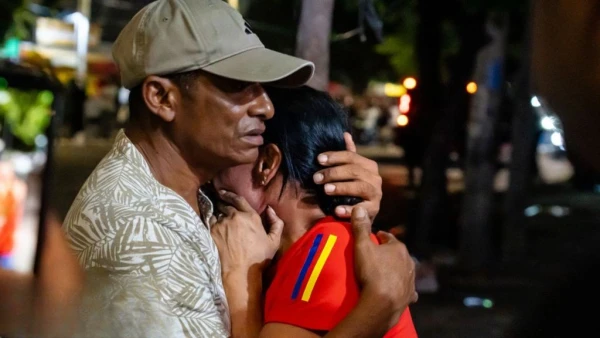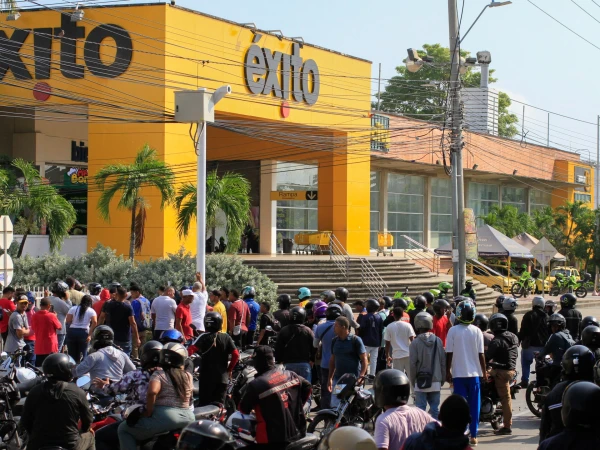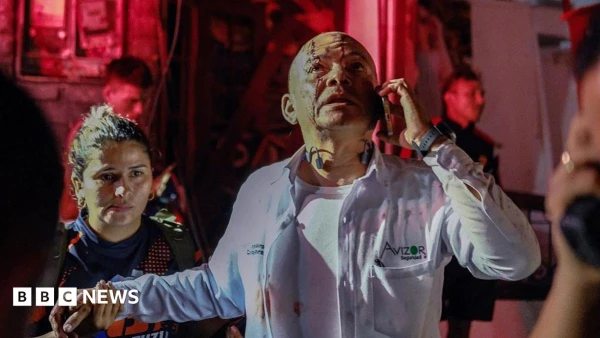
A car bomb detonated in front of the regional government offices in Villavicencio, Colombia, on Monday evening, injuring at least 23 people and damaging nearby buildings. The explosion, which tore through the city’s central square, occurred just one day before the 10th anniversary of the historic 2016 peace accord between the government and the Revolutionary Armed Forces of Colombia (Farc).
No group has yet claimed responsibility for the attack, which follows a recent wave of violence targeting official buildings and security forces. Colombian President Abelardo de la Espriella swiftly condemned the blast, blaming "narcoterrorism" and vowing a forceful response. "There will be no impunity and no retreat," he declared on social media, emphasizing that his administration would not tolerate further bloodshed.
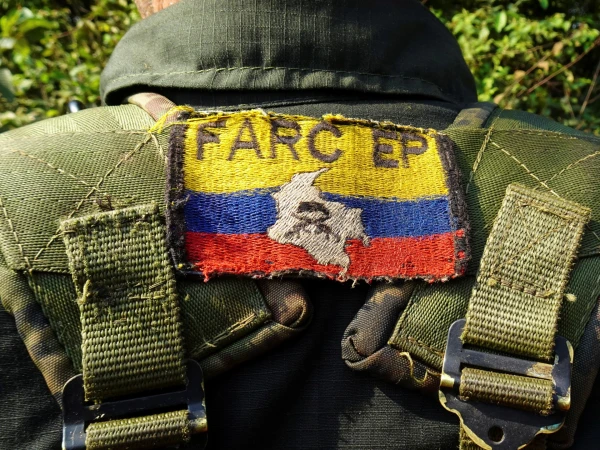
The attack comes amid escalating tensions between armed criminal groups and government forces. Dissident factions of the Farc, which rejected the peace deal and refused to disarm, have intensified their operations in recent years, clashing with rival gangs over control of drug trafficking, illegal mining, and extortion networks. While the 2016 agreement initially reduced displacement, child recruitment, and attacks on security forces, the resurgence of violence has raised concerns about the deal’s long-term viability.
De la Espriella, who took office in August 2022, has been a vocal critic of the peace accord, calling it a "false peace" and a "waste of public resources." His predecessor, former President Juan Manuel Santos—who signed the deal alongside Farc leader Rodrigo Londoño—defended the agreement in an interview with BBC Mundo ahead of the anniversary. "He is totally wrong to claim the violence stems from the peace deal," Santos argued. "The problem lies in its incomplete implementation."
The timing of the attack adds a layer of symbolism, as Colombia marks a decade since the historic accord. The government’s "total peace" strategy, which aimed to negotiate with armed groups, has stalled, with several factions violating ceasefires. De la Espriella’s hardline approach contrasts sharply with his predecessor’s efforts, reflecting a broader shift in Colombia’s security policy.
As the nation grapples with the legacy of the peace deal and the surge in violence, the Villavicencio bombing underscores the fragile state of stability in a country still scarred by decades of conflict.