A decade after Colombia’s historic 2016 peace accord with the Revolutionary Armed Forces of Colombia (FARC), the nation’s hard-won stability is under threat. Critics warn that a sweeping security crackdown led by Attorney General Abelardo de la Espriella could unravel years of progress, reigniting the very conflicts the agreement sought to end.
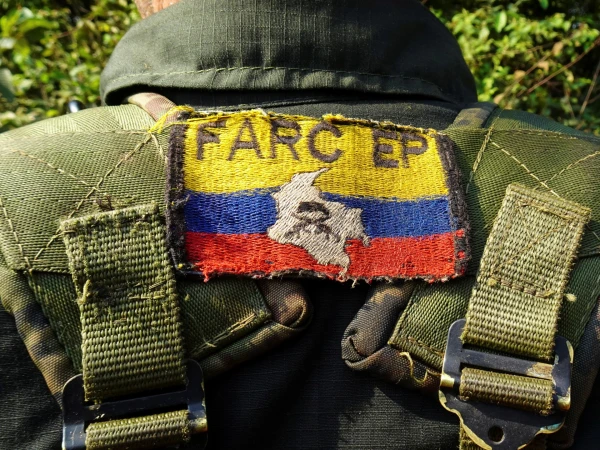
The 2016 peace deal, hailed as a landmark achievement, brought an end to more than five decades of armed conflict between the Colombian government and FARC guerrillas. It promised disarmament, reintegration of former combatants, and a path to rural development. Yet today, violence persists in rural areas, where dissident factions of FARC and other armed groups continue to operate, exploiting power vacuums and weak state presence.
De la Espriella’s aggressive security measures, including mass arrests and intensified military operations, have drawn sharp criticism from human rights advocates and peace process supporters. Opponents argue that the crackdown risks alienating communities already scarred by decades of war and could push disaffected ex-combatants back into armed struggle. "The government’s approach is counterproductive," said María José Pizarro, a senator and daughter of a slain FARC leader. "We cannot build peace through repression alone."
The situation is further complicated by Colombia’s upcoming presidential election, where candidates are divided over how to address ongoing violence. Some advocate for dialogue and targeted interventions, while others demand a harder line against armed groups. Meanwhile, the international community watches closely, with the United Nations and European Union urging restraint to avoid derailing the fragile peace process.
As Colombia grapples with this pivotal moment, the stakes could not be higher. The choices made today will determine whether the country can finally move beyond its violent past—or whether it will slide back into the chaos that once defined it.