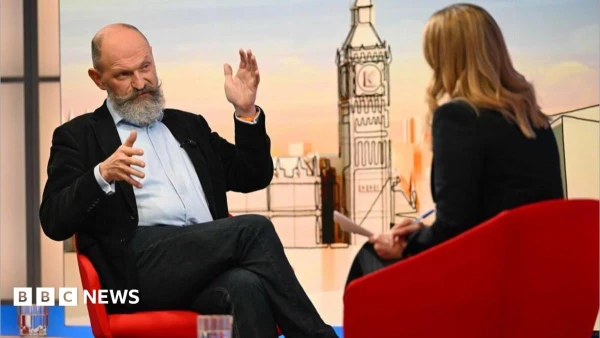
The chief executive of Centrica, the parent of British Gas, has sounded the alarm over a looming surge in household energy costs. Chris O'Shea told the BBC that the next year‑long price‑cap adjustment, due in January, could push a typical family's energy bill up by £443 – a rise that he fears will leave many unable or unwilling to pay.
The new cap, which will be announced by the regulator Ofgem on Wednesday, is expected to lift the annual limit to £2,166, a 26% jump from the current level. The change will affect roughly 20 million homes across England, Scotland and Wales, setting a maximum price per unit of gas and electricity while actual bills will still vary with usage.
"That's right at the point where people will be paying for Christmas and the like. So I am hugely concerned," O'Shea said on the Sunday with Laura Kuenssberg programme, emphasizing that the first quarter of the year is when energy consumption peaks.
Beyond the higher cap, O'Shea highlighted a "massive problem" of unpaid bills. He warned that non‑paying customers are already forcing every electricity consumer to shoulder an extra £1.50‑£1.60 per week, a burden that will intensify as tariffs rise.
Recent figures from Ofgem show household debt to energy suppliers hit £5 billion in the April‑June period. The spike in wholesale prices, driven in part by geopolitical tensions in the Middle East, has fed the upward pressure on retail rates.
The government has pledged a £100 one‑off payment for struggling households and a temporary 5% VAT cut on electricity, expected to save the average family about £45 a year. Consumer groups, however, argue that these measures are a "drop in the ocean" and warn of a rise in cold‑related deaths this winter.
Citizens Advice warned that the modest payment would do little for those already deep in debt, while the Fuel Poverty Action Group called for tougher action against what they describe as "inflated energy firm profits". They pointed to a 78% effective tax rate on UK oil and gas company profits, including a windfall tax introduced in 2022, as evidence that the sector can afford stricter regulation.
With the price‑cap hike looming and arrears mounting, O'Shea's message is clear: without stronger intervention, the burden on UK households could become unsustainable, threatening both financial stability and public health.