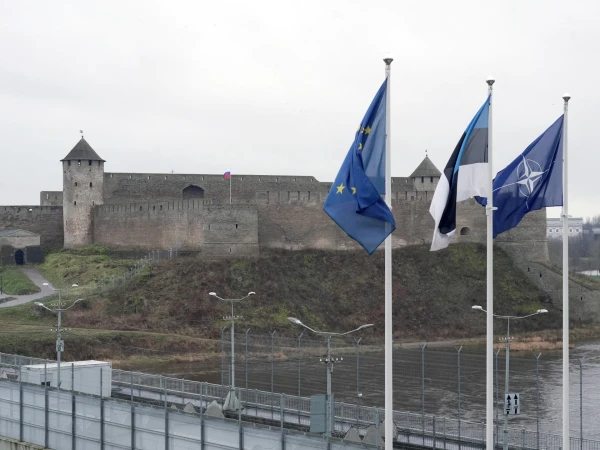
Tallinn announced on Tuesday that all road border crossings with Russia will remain closed indefinitely, a move taken after a mysterious arson attack targeted a local drone‑manufacturing plant.
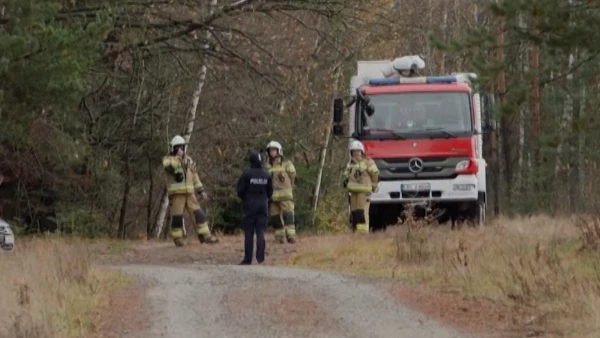
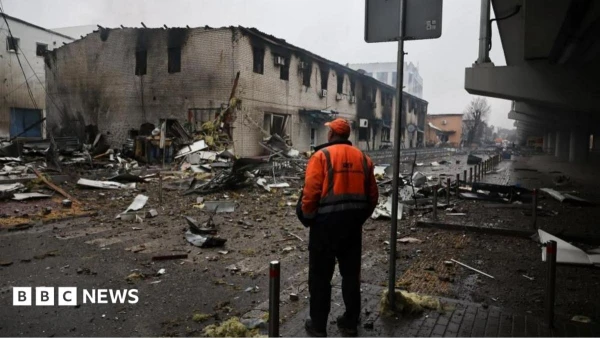
The blast, which damaged the production line of the Estonian firm Eagle Aero, occurred late Monday night near the town of Pärnu. No fatalities were reported, but officials said the incident raised serious concerns about the security of critical‑technology facilities near the frontier.
Estonian Prime Minister Kaja Kallas stressed that the shutdown was a precautionary measure aimed at preventing further sabotage and protecting national security. “We cannot allow any threat to jeopardise the safety of our citizens or the integrity of our supply chains,” she said in a press briefing.
Russia responded with a sharply worded statement, accusing Estonia of erecting a “new Iron Curtain” that threatens regional stability.
"Estonia’s unilateral closure of the borders is a hostile act that deepens the divide between our peoples and undermines the spirit of cooperation that has existed since the end of the Cold War," the Russian Foreign Ministry said.
The diplomatic spat has sparked worries among neighboring Baltic states, which rely on the cross‑border road network for trade and daily commuting. Analysts note that while Estonia has not imposed a full embargo, the closure of vehicular routes could disrupt the flow of goods worth hundreds of millions of euros each month.
European Union officials have called for calm and urged both sides to engage in dialogue. EU Commission spokesperson Iliana Ivanova urged “a swift de‑escalation and the reopening of borders once the investigation into the drone plant attack is complete.”
The investigation is being led by Estonia’s Security Police (Kaitsepolitsei), which has not yet identified a perpetrator. Early speculation points to either a state‑backed sabotage campaign or a criminal syndicate seeking to steal proprietary drone technology.
As the situation unfolds, commuters and transport companies are scrambling to find alternative routes through Latvia and Lithuania, while businesses on both sides of the border brace for potential economic fallout.
The incident underscores the growing strategic importance of drone technology in the region and raises fresh questions about how nations will protect such assets amid rising geopolitical tensions.