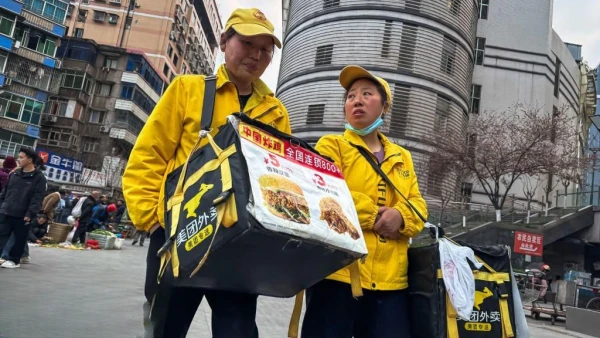
Chinese regulators are targeting so-called "ghost kitchens" — virtual restaurants that exist only on food delivery apps — as part of a broader effort to rein in the country's cutthroat online food delivery industry. These phantom eateries outsource orders to third-party vendors who fulfill them at lower costs, allowing merchants to cut prices and boost profits at the expense of food safety.
Authorities have uncovered thousands of such ghost kitchens across China. Starting this week, delivery apps are required to verify restaurants' business licenses and addresses, and merchants must ensure their online listings match their physical operations, specifying if they offer dine-in services.
The crackdown began last year after a Beijing resident filed a complaint about a cake topped with inedible flowers, ordered via a delivery app. An investigation revealed that the cake chain listed nearly 380 locations on major e-commerce platforms but had no physical stores and allegedly used forged licenses. The chain accepted orders that were transferred to another platform, which then outsourced them to the lowest-bidding third-party vendors.
According to state news agency Xinhua, authorities found 3.6 million cake orders processed through two order-transfer platforms and identified 67,000 "ghost shops" across seven major food delivery apps. These sites, together with the order-transfer platforms, formed an illegal supply chain through collusion. Delivery platforms were complicit — one staff member reportedly said that strict reviews would drive merchants to rival apps.
China's online food delivery sector is fiercely competitive, with price wars last year prompting government warnings. In April, the State Administration for Market Regulation fined seven e-commerce platforms — including Taobao, JD.com, Meituan, and Pinduoduo — a total of 3.6 billion yuan ($530 million), mostly over ghost kitchen deliveries.
In response to the crackdown, some merchants are trying to reassure customers. In Hangzhou, over 20 takeout stalls have installed "transparent kitchens" with live broadcasting so consumers can watch food preparation in real time. In Anhui province, authorities signed a food safety agreement with Meituan, Taobao, and JD.com, which includes using AI models to monitor kitchens and rewarding delivery riders for whistleblowing on illegal restaurants.