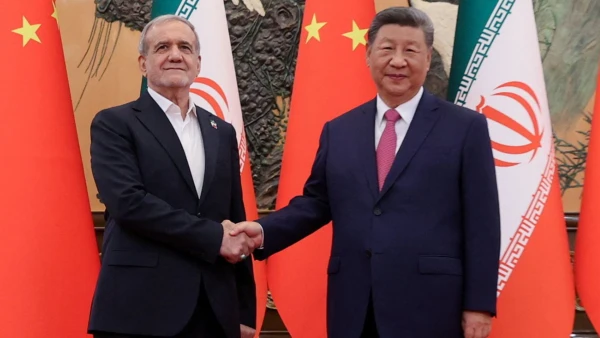
As geopolitical tensions escalate in the Middle East, China finds itself walking a diplomatic tightrope, carefully balancing its strategic alliance with Tehran against broader global interests. Beijing's approach reflects the complex calculus of a rising superpower navigating multiple international relationships simultaneously.
While maintaining strong economic and political ties with Iran—including significant energy imports and infrastructure investments—China has been cautious not to alienate other key partners in the region and beyond. This balancing act has become increasingly delicate as conflicts intensify, forcing Chinese policymakers to weigh immediate economic benefits against long-term strategic positioning.
Observers note that China's response has been characteristically measured, emphasizing diplomatic solutions while protecting its substantial investments in Iranian energy and transportation projects. "China's primary concern remains stability," explains regional analyst Dr. Li Wei. "They have too much at stake economically to risk being drawn into direct confrontation, yet they cannot afford to abandon a strategic partner like Iran."
This nuanced position has drawn scrutiny from Western powers, who have questioned whether China's approach effectively enables Iranian actions while allowing Beijing to maintain plausible deniability. Meanwhile, Chinese officials have consistently called for de-escalation and dialogue, positioning themselves as potential mediators while protecting their substantial regional interests.
The situation highlights the broader challenge facing China's foreign policy: how to expand global influence while managing the competing demands of multiple strategic partnerships. As one diplomat noted privately, "Every move is calculated, every statement carefully calibrated. In this high-stakes environment, there are no simple choices, only complex trade-offs."