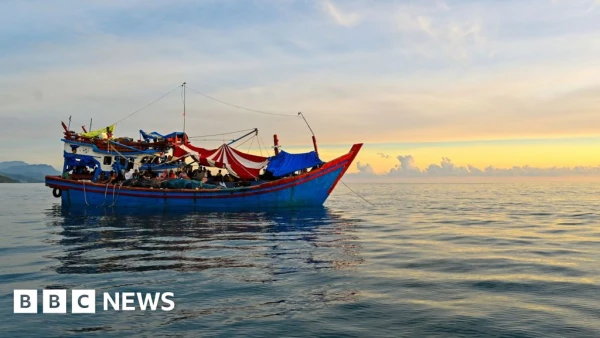
A fishing trawler carrying approximately 250 Rohingya and Bangladeshi migrants, including children, has capsized in the Andaman Sea, leaving all aboard missing and presumed lost. The vessel, which departed from Bangladesh bound for Malaysia, reportedly sank due to severe weather conditions and dangerous overcrowding.
According to a joint statement from the United Nations' refugee and migration agencies, the boat foundered last week after being caught in a storm. The exact timing remains unclear, but on April 9, a Bangladesh-flagged commercial ship, the Motor Tanker Meghna Pride, rescued nine survivors who had been clinging to debris for nearly two days.
"They were left floating at sea for nearly two days, holding onto drums and pieces of wood," a Coast Guard officer, speaking anonymously, told reporters.
The survivors, later transferred to a Coast Guard vessel, indicated they had seen around 100 people in the water, but the total number aboard and the fate of the others remain unknown. Rafiqul Islam, a 40-year-old survivor, described floating for 36 hours and suffering burns from spilled oil before his rescue.
This tragedy highlights the perilous journeys undertaken by Rohingya refugees fleeing persecution in Myanmar. Since a violent crackdown in 2017, hundreds of thousands have crossed into Bangladesh, where overcrowded camps and dwindling humanitarian aid have pushed many to seek refuge elsewhere.
"This tragic incident reflects the dire consequences of protracted displacement and the absence of durable solutions for the Rohingya," stated the UN High Commissioner for Refugees.
The agencies noted that ongoing violence in Myanmar's Rakhine State has dashed hopes for a safe return, forcing refugees to embark on deadly sea voyages in search of safety and opportunity. These journeys are often made on ill-equipped, overcrowded boats lacking basic necessities, with passengers sometimes dying at sea or being turned away by destination countries.
In their appeal, the UN organizations urged the international community to increase support for Rohingya refugees and address the root causes of displacement in Myanmar to enable voluntary, safe, and dignified returns.