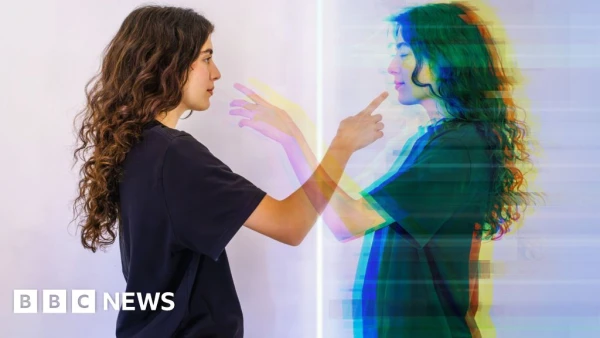
Richard Skellett has spent three years building a digital version of himself—an AI twin that knows everything he knows. This sophisticated language model, trained on his meetings, documents, and thought processes, helps him make business decisions and manage both professional and personal tasks through dedicated tabs for work and family.
At Bloor Research, where Skellett serves as chief analyst, this concept has expanded. The company now provides "Digital Me" twins to all employees, enabling phased retirements and seamless coverage during leaves without hiring temporary staff. Over 20 other firms are testing the technology, with wider availability expected later this year.
"In this environment, having a Digital Me is not optional if you want to operate effectively. It becomes part of how you work," says Skellett.
Industry analysts at Gartner predict such digital replicas of knowledge workers will soon become mainstream, following trends where AI mimics artistic styles. Interest is further fueled by reports that Meta is developing an AI version of CEO Mark Zuckerberg.
While companies benefit from increased productivity, significant questions remain about ownership, compensation, and liability. Should employees own their digital twins and receive payment for their use? Who is responsible when an AI makes an error?
"There are real potential benefits for sure, but it depends on getting the governance right," says Kaelyn Lowmaster, a Gartner research director. "I think we will probably see the negative side of this coin before we see the positive side."
Skellett advocates for individual ownership, with companies paying to access the twins. At Bloor Research, compensation is already tied to outcomes rather than hours worked, allowing employees to earn more as their digital counterparts enhance productivity.
Josh Bersin, CEO of The Josh Bersin Company, has implemented similar technology across his 50-person firm, using tools from startup Viven. He describes the result as creating "superworkers"—employees amplified by AI who can handle inquiries at any hour without fatigue.
"People don't have the energy to have another conference call," says Bersin. "But you can wake the digital twin up in the middle of the night and talk to it for an hour—it doesn't care. It's incredibly valuable."
His company's growth of 30% annually requires only minimal new hiring, thanks to productivity gains from digital twins, allowing for increased staff bonuses. However, Bersin disagrees with Skellett on ownership, noting that employment contracts typically assign intellectual property to employers.
Legal experts highlight unresolved issues at the intersection of AI and employment law. Anjali Malik of Bellevue Law points to concerns about consent, data control, and performance management.
"The moment an AI tool is trained on an individual's emails, meetings and work product, you're dealing with issues that sit right at the heart of the employment relationship," says Malik.
Chloe Themistocleous of Eversheds Sutherland calls for "clear statutory guidance" to mitigate legal risks, while Jean-Pierre van Zyl of Square One Law anticipates employment tribunals will shape precedents as disputes arise over AI twin actions.
As digital twins become workplace fixtures, their governance will determine whether they empower workers or create new complexities in the evolving landscape of work.