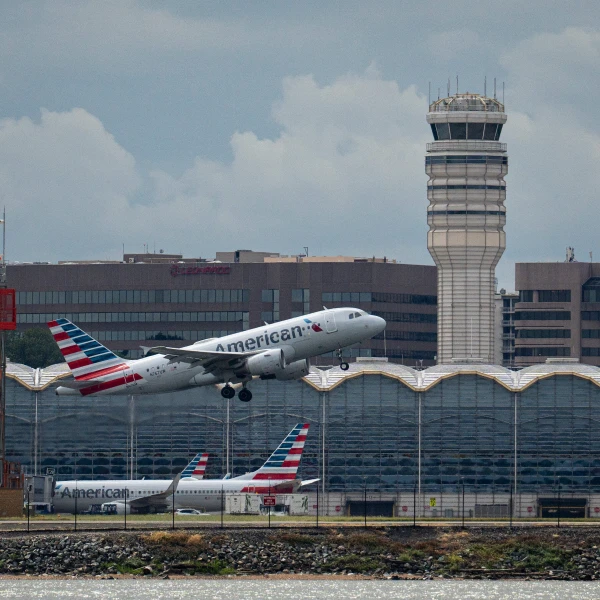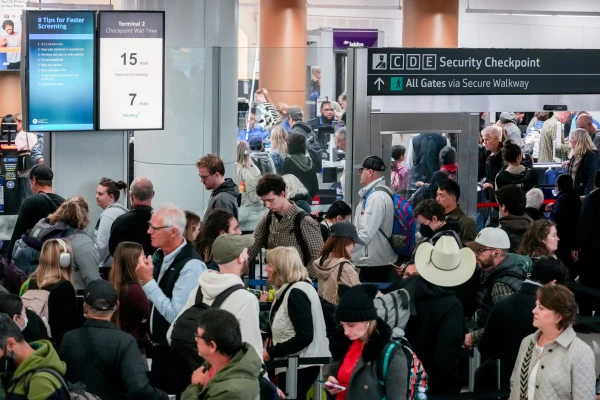
The Federal Aviation Administration (FAA) has rolled out sweeping changes to its Line Up and Wait (LUAW) procedures, effective November 24, 2026, just as millions of Americans flood airports for the Thanksgiving travel rush. The new rules mandate that a dedicated air traffic control supervisor must oversee these operations—a move aviation experts warn could exacerbate delays during one of the busiest travel periods of the year.
Under the updated guidance, outlined in FAA Notice JO 7210.979, airports must staff a standalone watch supervision position whenever LUAW operations are in effect. Previously, controllers could combine these duties with other responsibilities, but the FAA now requires undivided attention to ensure safety. The change comes as the agency grapples with a persistent shortage of air traffic controllers, a crisis that has already strained operations at understaffed facilities.
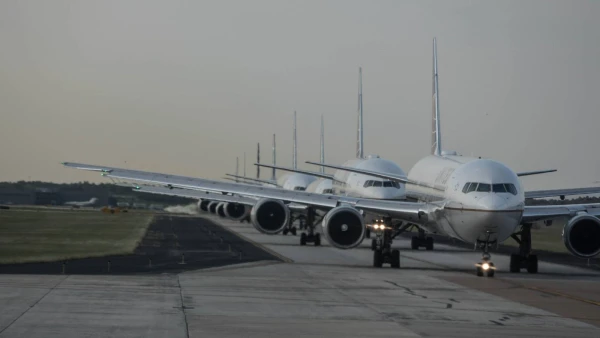
Line Up and Wait is a critical tool for runway efficiency, allowing departing aircraft to position themselves on the runway and hold for takeoff clearance. By eliminating the need for planes to taxi back and forth, the procedure helps maximize runway throughput. However, the FAA’s new requirement means airports lacking sufficient personnel will be forced to keep aircraft at taxiway holding points, reducing departure capacity and potentially creating longer queues.
The timing couldn’t be worse. The FAA forecasts over 52,000 flights on the first day of the new rules alone, with more than 417,000 departures expected across the nine-day Thanksgiving holiday period. Industry analysts predict the restrictions could ripple through the travel system, compounding delays that are already a hallmark of the holiday season.
In a statement to aviation media, the FAA emphasized that the changes are designed to enhance runway safety, not restrict capacity. "These measures ensure dedicated controller staffing and supervisory oversight during LUAW operations and reinforce the FAA’s commitment to maintaining the highest safety standards," the agency said. The FAA also noted that the new requirements will not impact airport operations permanently, though the short-term effects remain unclear.
The controversy gained traction after a controller at Albuquerque International Sunport (ABQ) reportedly warned a Southwest Airlines crew about the nationwide restrictions, describing them as a permanent shift. While the FAA’s official notice does not use the word "permanent," the agency’s June 9, 2027, cancellation date suggests the measures are intended as a temporary but prolonged adjustment.
Aviation safety advocates argue the changes are a necessary step to mitigate risks, particularly as controller shortages force facilities to operate at reduced capacity. The FAA has ramped up recruitment efforts, including a controversial campaign targeting video gamers to attract candidates with strong multitasking skills. In October 2026, the agency hired 2,235 controller trainees—exceeding its annual goal—but certification can take over two years, leaving a critical gap in staffing.
As travelers brace for potential delays, the FAA insists the new rules are a safety-first measure. Yet with the Thanksgiving travel surge already a logistical nightmare, the question remains: Will these changes ground more flights than they save?