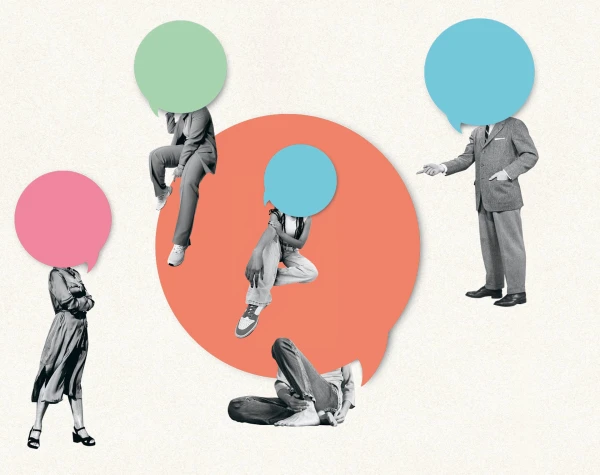
Can a single sentence change the course of your life? Five authors share the offhand remarks that reshaped how they viewed themselves—and their world.
When I was 14, I faced yet another new school. I had transferred multiple times before—due to my father's job, issues at primary school, or parental dissatisfaction with teachers. But 14 is perhaps the most awkward age for any fresh start. Halfway through my first term at a school in Newark, Nottinghamshire, my history teacher, Mr. Philips, pulled me aside after class. He clearly disliked me. To be fair, I was probably difficult to like from a teacher's perspective: I struggled to concentrate, stared out windows, and fooled around. Yet nothing prepared me for the blow to my teenage ego when he said, "I think it would be a good idea for you to join a special needs class." This was 1989, and in my state comprehensive, being labeled "special needs" was like being marked with a leper's bell—a binary system where you were either normal or stigmatized. To make matters worse, my art teacher had reached a similar conclusion.
"I was mortally offended" — a phrase that captures the lasting sting of such careless words.