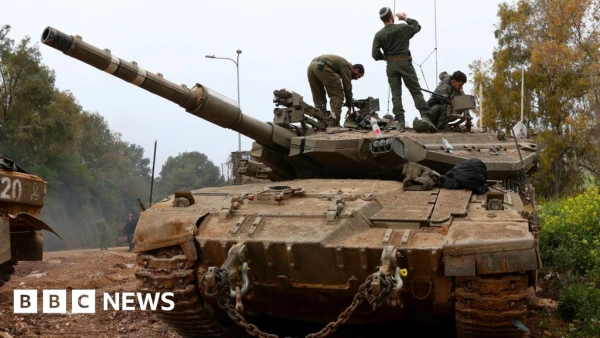
A tenuous ceasefire between Israel and Lebanon has begun, announced by former U.S. President Donald Trump, marking a potential pause in six weeks of intense cross-border conflict.
The truce, which commenced at 17:00 EST on Thursday, follows weeks of fighting primarily between Israeli forces and Hezbollah, the Iran-backed armed group and political movement in Lebanon. The hostilities erupted in early March after Hezbollah launched rocket attacks into northern Israel, which it described as retaliation for a joint U.S.-Israeli strike on Iran.
Israeli Prime Minister Benjamin Netanyahu confirmed his nation's participation but stated Israeli troops would maintain a presence in a 10-kilometer deep "security zone" in southern Lebanon. "We are there, and we are not leaving," he declared, framing the ceasefire as "an opportunity to make a historic peace agreement" while emphasizing the need to block potential invasions.
Hezbollah signaled a conditional willingness to participate, demanding "a comprehensive halt to attacks" across Lebanon and restrictions on Israeli military movement. Iran's foreign ministry welcomed the development, having previously insisted that its own ceasefire discussions with the U.S. should include the Lebanon situation.
"I think we will have an agreement between Lebanon and they're going to take care of Hezbollah, but they're going to be working on Hezbollah right now," Trump told reporters outside the White House.
The human cost of the recent fighting has been severe. Lebanese health officials report over 2,000 deaths, with more than a million people—approximately one-fifth of the population—displaced and tens of thousands of homes damaged or destroyed. Israeli authorities state that Hezbollah attacks have killed two civilians in Israel and that thirteen Israeli soldiers have died in combat in Lebanon.
According to a U.S. State Department release outlining the agreement:
- The ceasefire "may be extended by mutual agreement" if peace negotiations show progress.
- Israel retains its "right to take all necessary measures in self-defence."
- All parties recognize that Lebanon's official security forces hold exclusive responsibility for the nation's security.
In the hours leading up to the ceasefire, cross-border strikes continued, underscoring the fragility of the pause. The core dispute over Hezbollah's arsenal remains unresolved. Lebanese authorities maintain that disarming the group cannot be achieved by force and requires negotiation, while Netanyahu identified it as a fundamental demand for any lasting agreement.
Trump also announced plans to invite Netanyahu and Lebanese President Joseph Aoun to the White House for talks, which would be the first significant direct discussions between the two nations since 1983. However, with Israeli forces maintaining their southern Lebanon buffer zone and Hezbollah's future status unsettled, the path to a durable peace remains deeply uncertain.