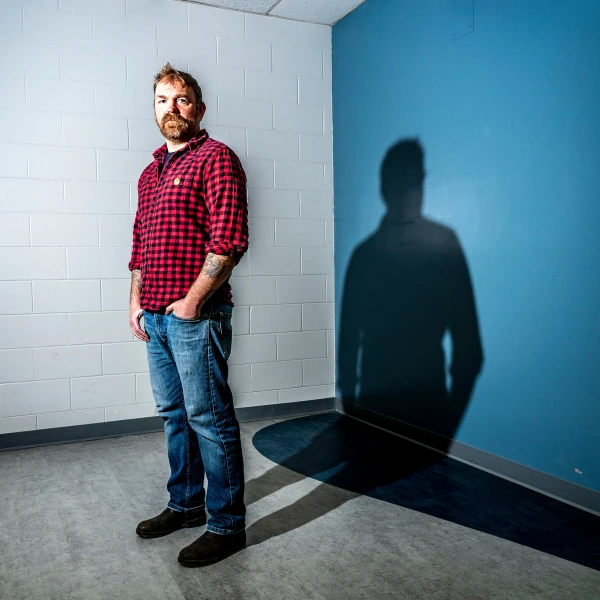
In the quiet towns of Maine, a political phenomenon is unfolding as Graham Platner, a former Marine infantryman, campaigns for the Democratic Senate nomination. His journey from the battlefields of Iraq to the campaign trail reveals a profound reckoning with America's 21st-century wars and their lasting scars.
For Platner, the reality of war's futility struck during his deployment in Iraq at age 20. While his company was constructing a patrol base near Falluja, insurgents fired a mortar round that landed where local workers and their children had gathered. The senseless loss of young lives left an indelible mark on him as he administered first aid and later faced the devastated parents.
"There's this thing I often think about," Platner reflected during a campaign drive through Maine. "Those kids were killed because we were spending money to build this base that probably doesn't exist anymore."
His voice shifted to the present tense as he recalled the moment when mothers arrived to collect their children's remains, describing his own life stretching before him "like a storm cloud." He added, "How horrifically wasteful this is."
Despite facing controversy last fall over past actions—including a tattoo resembling a Nazi symbol and offensive online comments he attributes to processing war trauma—Platner has surged in popularity. While Washington insiders initially dismissed his candidacy, he now draws large crowds at town halls and leads Maine Governor Janet Mills by approximately 30 points in recent polls.
What sets Platner apart is his radical honesty about military service and its consequences. He argues that Americans must confront the "monstrous futility" of recent wars to truly heal the nation. As he told interviewer Ben Rhodes, most citizens never see the carnage or live with the physical and psychological ruins of these conflicts, yet the nation cannot move forward without acknowledging their devastating impact.
Platner's campaign represents more than just a political race—it's a testament to how personal trauma can transform into public purpose, challenging Democrats to engage with uncomfortable truths about America's military engagements and their human cost.