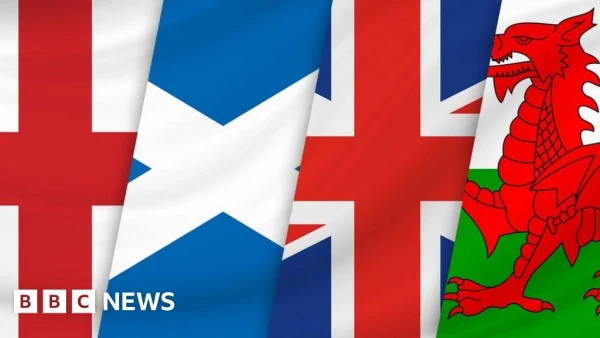
As millions of voters prepare for elections across the United Kingdom on 7 May, the complex system of devolved governance takes center stage. While Westminster retains authority over national matters, significant powers have been transferred to regional governments in Scotland, Wales, Northern Ireland, and parts of England over the past quarter-century.
Understanding Devolution
Devolution represents the deliberate transfer of political authority from a central government to regional bodies. For centuries, the UK Parliament in London governed all four nations—England, Scotland, Wales, and Northern Ireland—directly. However, growing demands for regional autonomy led to landmark referendums in 1997 and 1998, establishing elected legislatures in Scotland, Wales, and Northern Ireland.
"Devolution means the transfer of power away from central government," explains political analysts, marking a fundamental shift in how the UK is governed.
Westminster's Retained Powers
Despite devolution, the UK government maintains control over several critical areas affecting the entire nation:
- Defense and national security
- Foreign policy and international relations
- Immigration and citizenship regulations
- Overall taxation framework (though regions have some tax-varying powers)
Scotland's Expanding Authority
The Scottish Parliament in Edinburgh, with its 129 elected members, oversees numerous policy domains that directly impact Scottish residents. Beyond Scotland's longstanding independent legal and education systems, Holyrood now manages:
- Healthcare services and public health initiatives
- Justice, policing, and court administration
- Environmental protection and agricultural policies
- Housing development and local government planning
- Income tax rates and several other revenue streams
Following the 2014 independence referendum, Scotland gained additional powers through subsequent legislation, though the Scottish National Party continues to advocate for complete sovereignty.
Wales' Growing Senedd
Cardiff Bay hosts the Senedd Cymru (Welsh Parliament), which will expand from 60 to 96 members after the upcoming elections. This growing institution oversees:
- Education standards and curriculum development
- Healthcare delivery and social care services
- Transportation infrastructure and highway maintenance
- Welsh language preservation and promotion
- Limited taxation authority including income tax adjustments
Northern Ireland's Unique Arrangement
Stormont's power-sharing government operates under a distinctive three-tier system:
- Transferred powers managed directly by the Northern Ireland Assembly
- Reserved powers that Westminster could potentially transfer in the future
- Excepted powers that must remain with the UK government
The assembly's responsibilities span agriculture, education, healthcare, justice, and cultural matters. However, its operation depends on cooperation between nationalist and unionist communities, with leadership shared equally between the first minister and deputy first minister.
English Mayoral Authorities
England has developed its own devolution model through directly elected mayors with varying powers across different regions. The Mayor of London, established in 2000, sets the precedent with authority over transportation, housing, and economic development. Similar roles have emerged in metropolitan areas like Greater Manchester and the West Midlands, though their powers differ significantly from the national legislatures elsewhere in the UK.
This patchwork of devolved governance continues to evolve, reflecting the UK's complex constitutional arrangements and regional identities.