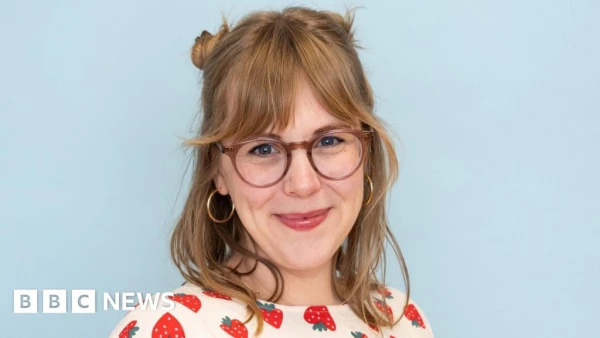
San Francisco artist Jenny Lennick has turned quirky food-themed hair accessories into a multimillion-dollar business, proving that sometimes the smallest pivot can yield the biggest rewards.
"I tell people, 'I make food-themed accessories' and boom – they get it," says Lennick, whose brand Jenny Lemons has developed a cult following for its colorful, plant-based hair clips shaped like everything from sardine tins to TV dinners.
The 39-year-old entrepreneur's journey wasn't always smooth sailing. After launching as a hand-printed clothing line in 2015 and opening a physical store in 2018, Lennick found herself $90,000 in debt by 2023, struggling with rising rents and post-pandemic foot traffic declines.
The turning point came unexpectedly at a craft fair, where a chance meeting with a hair claw vendor led to a connection with a Chinese factory. Lennick began producing her signature food-themed clips, and online sales quickly outpaced her clothing line.
"They were keeping the store open," Lennick recalls, recognizing the hair accessories as her business's future.
Today, Jenny Lemons operates from a home studio where Lennick designs clips on her tablet, sending creations to her long-time manufacturing partner in China. Her minimalist approach uses no more than three colors per design, with inspiration drawn from food trends—like the current tinned fish craze that inspired her sardine clip.
The business now generates $2 million in annual revenue with three full-time employees and a network of contractors. About 60% of sales come from wholesale distribution to approximately 1,500 independent retailers worldwide, while the remainder flows through direct online sales.
Lennick's customer base primarily consists of women aged 25-45, with many in teaching or healthcare professions who use the clips to add personality to work uniforms. At $24 for a large claw clip, the products occupy what fashion experts call a "sweet spot"—accessible enough for impulse purchases while offering distinctive style.
"She really understands her brand and it shows in how it's presented," notes Beki Gowing, a fashion entrepreneurship lecturer at the University of the Arts London.
Despite the success, challenges persist. Lennick navigates Trump-era tariffs on Chinese imports by absorbing costs rather than raising prices, squeezing profit margins. She also battles knockoffs, having already settled one lawsuit for $45,000 against a major retailer.
Environmental considerations remain part of the conversation too. While Lennick highlights that her clips use cellulose acetate—a plant-based, biodegradable alternative to conventional plastic—some experts call for greater transparency about the material's semi-synthetic nature.
Looking ahead, Lennick acknowledges fashion trends can be fickle. Each year brings relief when hair claws remain popular, but she's diversifying with food-themed hats, socks, and earrings while avoiding a return to clothing due to sizing complexities.
"The name we've carved out for ourselves is the funky food ones," Lennick says, committed to the niche that transformed her struggling business into a thriving enterprise.