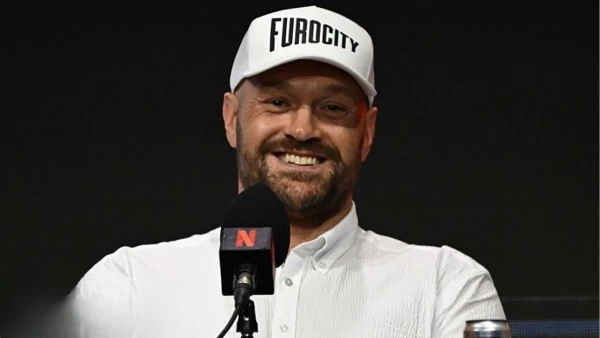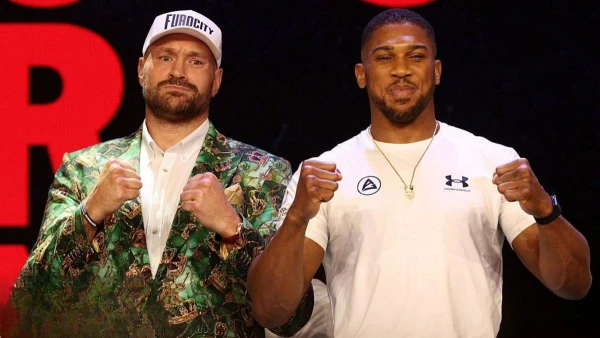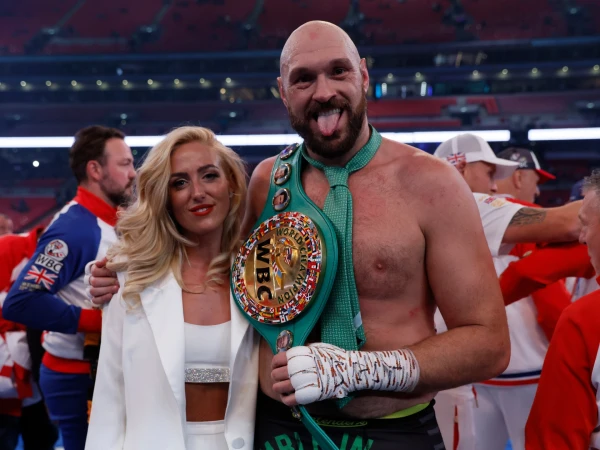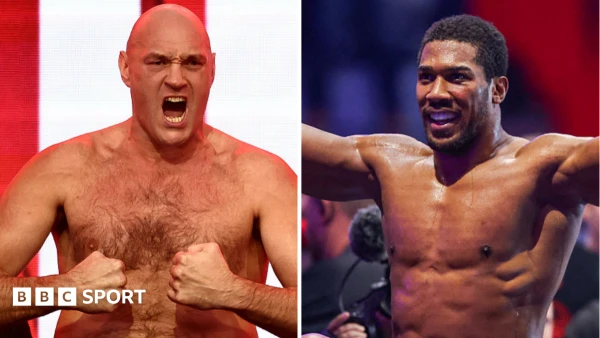
After years of speculation and missed opportunities, Tyson Fury and Anthony Joshua are finally stepping into the ring together—a showdown that could cement their place in boxing history. The long-awaited bout, set for December 12 in Cardiff, marks the culmination of a rivalry that has reshaped the sport in Britain and beyond.
"Bosh, that's it. The revolution starts in that six-month period." — Steve Bunce, BBC Radio 5 Live boxing pundit
From Rivalry to Legacy
Tyson Fury, the flamboyant showman, and Anthony Joshua, the polished Olympic champion, represent two sides of the heavyweight divide. Fury’s unpredictable style and Joshua’s disciplined power have made them polarizing figures, sparking endless debates about who is the better fighter.
Their paths to the top could not have been more different. Fury dethroned the seemingly invincible Wladimir Klitschko in 2015, while Joshua claimed his first world title in just his 16th professional fight the following year. Together, they transformed British boxing from a niche sport into a global spectacle.
The Stadium Revolution
Before Fury and Joshua, heavyweight boxing in Britain struggled to fill large venues. Lennox Lewis fought many of his defining bouts in Las Vegas and Memphis, while the Klitschko era saw challengers travel to Germany. That changed in 2015, when Fury outpointed Klitschko in Düsseldorf, and Joshua knocked out Charles Martin at London’s O2 Arena to win his first world title.
By 2017, Joshua was selling out Wembley Stadium with 90,000 fans, while Fury’s trilogy with Deontay Wilder drew massive crowds in the U.S. Their success proved that British boxing could draw global audiences—and it did.
Beyond the Ring
Their influence extended far beyond the sport. Joshua became a household name on chat shows, while Fury ventured into entertainment, stepping into a WWE ring and inviting Netflix cameras into his home. Their crossover appeal even led to unconventional fights, including Joshua’s bout against YouTuber Jake Paul and Fury’s clash with former UFC champion Francis Ngannou.
For many fans, these fights were seen as distractions from the division’s core. Yet, their mainstream visibility turned both men into icons, inspiring a new wave of British heavyweights like Daniel Dubois, Fabio Wardley, and Moses Itauma.
The Final Chapter
The question of who is better has lingered for years, but their meeting in Cardiff may finally provide an answer. Both men have faced setbacks—Fury lost twice to Oleksandr Usyk, while Joshua suffered defeats to Andy Ruiz Jr. and Dubois. Their rivalry has been delayed by promotional politics, broadcast deals, and mutual risk aversion.
Fury’s father, John Fury, even questioned the necessity of the fight. "Both men are bigger than boxing," he said. "They don’t need to fight."
Yet, as Natasha Jonas, a former world champion, noted, legacy is what fighters ultimately chase. "Once you walk away, you want to be happy and satisfied with what you’ve done and what you’ve left behind," she said.
Whether their clash in Cardiff settles the debate or leaves it unresolved, Fury and Joshua’s legacy is already secure. They have filled stadiums, drawn new audiences, and made British heavyweight boxing a global attraction—proving that the sport’s future is as bright as its past.