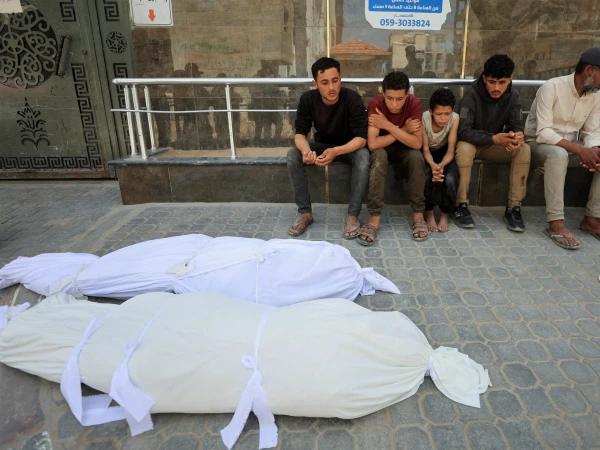
Despite a declared ceasefire, violence has continued to erupt across the region over the past two days, with Israeli military operations in Gaza claiming multiple lives while settlers in the occupied West Bank launched coordinated assaults on Palestinian communities.
In Gaza, Israeli airstrikes and ground operations have resulted in several fatalities, undermining the fragile truce that was meant to bring relief to the besieged territory. The attacks have targeted residential areas and infrastructure, exacerbating the humanitarian crisis in a region already grappling with severe shortages of essential supplies.
Meanwhile, in the West Bank, activists report that Israeli settlers have carried out a series of violent incursions, setting vehicles ablaze and attacking homes in Palestinian villages. These actions have heightened tensions in the occupied territories, where settler violence has become increasingly frequent and organized.
"The ceasefire was supposed to be a moment of respite, but instead we're seeing an escalation on multiple fronts," said a local activist who witnessed the West Bank attacks. "Settlers are exploiting the situation to expand their control, while Gaza remains under relentless pressure."
The simultaneous violence in Gaza and the West Bank highlights the complex and interconnected nature of the conflict, where military operations and settler activities often reinforce each other. International observers have expressed concern that these developments could further destabilize the region and undermine efforts toward a lasting peace.
As the situation unfolds, Palestinian communities are left to navigate the dual threats of military aggression and settler violence, with little protection or recourse. The continued bloodshed raises urgent questions about the viability of the ceasefire and the international community's ability to enforce it.