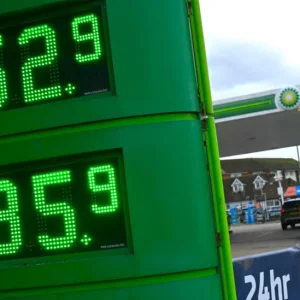
The escalating conflict in Iran and the subsequent bottleneck at the Strait of Hormuz—a vital maritime chokepoint handling a fifth of the world's oil and natural gas—have sent global fuel markets into overdrive. As prices surge to crippling highs, governments across the globe are deploying rapid-response measures ranging from public transit subsidies to strict energy rationing to protect their citizens and economies.
Here is a look at how different nations are maneuvering through the unprecedented energy crisis.
Subsidies and Free Transit
Australia: To keep commuters from starting their engines, the states of Victoria and Tasmania have made public transportation entirely free. With national petrol prices spiking to A$2.38 per litre, the initiative covers trains, trams, and buses, offering significant financial relief to daily travelers.
Ireland: Dublin has greenlit a €235 million relief package to slash energy burdens. The plan includes aggressive tax cuts on petrol and diesel, the suspension of home-heating oil levies, and a four-week extension on heating payouts for social welfare recipients.
United Kingdom: With petrol costs hitting an 18-month peak, the UK government is actively monitoring fuel retailers to prevent price gouging. Additionally, a £53 million support fund has been activated to assist low-income households that depend on heating oil.
Extreme Conservation and Rationing
The Philippines: Highly vulnerable due to its reliance on Gulf imports, the Philippines has declared a national emergency. Fuel prices have more than doubled, prompting the government to implement a four-day work week for civil servants, slash ferry operations, and fast-track subsidies for transport workers. President Ferdinand Marcos has warned that "nothing is off the table" as the state looks to hoard an additional million barrels of oil.
Sri Lanka: Still recovering from recent economic turmoil, Sri Lanka has instituted strict fuel rationing. Motorists are capped at 15 litres per week, while motorcyclists are limited to just 5 litres. To further curb consumption, Wednesdays have been declared a mandatory public holiday for government institutions and schools.
Egypt: Cairo has enforced a strict 9:00 PM curfew for shops, cafes, and restaurants, though tourist sectors remain exempt. The government is dimming public streetlights and mandating one work-from-home day a week for non-essential state employees. Concurrently, public transit fares and petrol prices have been hiked to shield public finances.
Thailand: In a bid to reduce the heavy power draw of air conditioning, the Thai government is urging citizens to shed their jackets and keep thermostats set to 26-27°C, despite the country's sweltering seasonal humidity. Government agencies have also pivoted to remote work.
Tapping Reserves and Securing Supply
China: The world’s biggest oil consumer is relying on a formidable strategic reserve of roughly 900 million barrels, accumulated over years of discounted Gulf imports. To insulate its domestic market, Beijing has reportedly ordered local refineries to immediately halt all fuel exports.
India: Despite ordinarily funneling half of its crude imports through the Strait of Hormuz, India's oil ministry claims to have secured a 60-day supply of crude from alternative international markets. Officials have publicly urged citizens not to panic-buy fuel, stating that newly acquired international volumes have compensated for the disruption.
Ethiopia: Facing severe shortages, Ethiopian authorities have taken a triage approach to energy distribution. Fuel supplies are now being strictly redirected away from the general public to prioritize national security institutions, essential goods manufacturers, and critical state infrastructure projects.