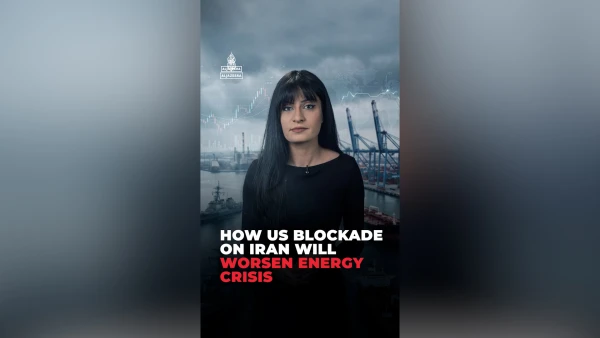
The United States' military blockade of Iranian ports has officially commenced, sending immediate ripples through global energy markets. This strategic move is poised to exacerbate the ongoing energy crisis, with analysts predicting significant disruptions to oil and gas supplies worldwide.
As the blockade tightens its grip, international observers are closely monitoring the situation, anticipating a sharp rise in energy prices and potential supply chain bottlenecks. The geopolitical implications of this action are far-reaching, potentially reshaping alliances and trade dynamics in the volatile Middle East region.
"This blockade represents a critical juncture in international energy policy," noted one energy market analyst. "The immediate market reactions we're seeing are just the beginning of what could be a prolonged period of instability."
The timing of this development coincides with existing global energy challenges, including post-pandemic recovery demands and climate transition pressures. Experts warn that reduced access to Iranian energy resources could force nations to seek alternative suppliers, potentially straining already tight global energy markets.
With winter approaching in many parts of the world, concerns are mounting about how this blockade will affect heating fuel availability and pricing. Energy-dependent industries are preparing contingency plans as they brace for what many are calling a perfect storm of geopolitical tension and market volatility.