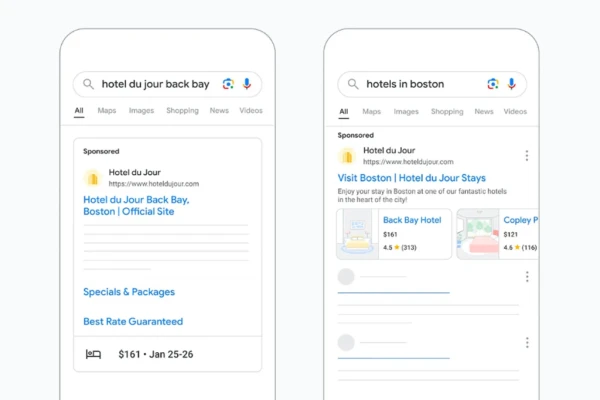
Google is dismantling its dedicated hotel ad platform, forcing hospitality brands to consolidate their metasearch and search advertising strategies into a single system. Starting in early 2027, all hotel booking ads—previously managed through Google’s standalone Hotel Ads product—will automatically migrate to the tech giant’s broader Search ad network under a new "Search campaigns for Travel" format.
The transition eliminates the need for separate budgets and reporting tools for metasearch campaigns, streamlining ad management but raising concerns among industry analysts about transparency and performance tracking. Hotels have long relied on Google Hotel Ads to drive direct bookings through price-comparison listings, but the new system replaces flexible bidding options with standardized manual cost-per-click (CPC) models based on historical averages.
"This change removes the granular control hotels had over seasonal rate fluctuations," said Rudolph Dekker, a digital advertising strategist at Adchieve. "Fixed bids won’t scale with room prices during peak demand, potentially inflating costs or leaving revenue on the table."
Google insists the shift simplifies operations by unifying tools like AI Max—its automated campaign suite—under one roof. A company spokesperson confirmed that free booking links, which appear organically in search results, remain unaffected. However, the migration could complicate year-over-year performance comparisons, as legacy campaign data will be archived while new metrics adopt different tracking standards.
Quentin Lederer, chief commercial officer at hospitality tech firm Cendyn, warned the real challenge lies in organizational adaptation. "Combining metasearch and search forces teams to rethink attribution models," he explained. "Instead of evaluating channels in isolation, they’ll need to assess blended acquisition costs—a cultural shift for many brands."
Cornell University’s Chris Anderson, a professor of hotel revenue management, suggested the overhaul presents an opportunity to test the true value of paid hotel links. "Do these ads generate incremental bookings, or are hotels simply paying for demand they’d capture organically?" he posed. "The migration could finally answer that question."
For now, Google’s move underscores its growing dominance in travel advertising, where metasearch and search increasingly overlap. Hotels must adapt quickly—or risk losing visibility in a market where every click counts.