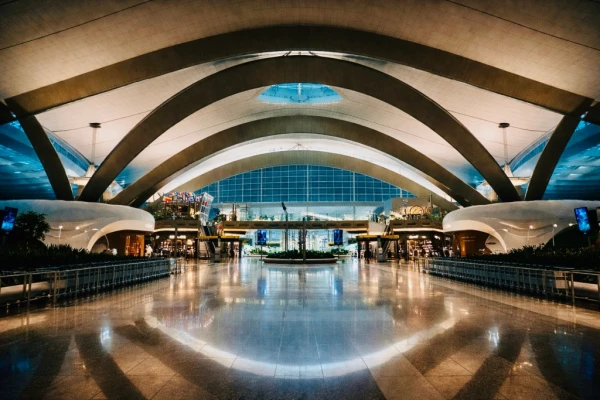
The Grand Hyatt Abu Dhabi played host to a pivotal moment for Gulf tourism this December, as industry leaders gathered for the Skift Global Forum East 2026 to confront an unprecedented challenge: the region’s once-unassailable growth narrative is under siege. Nine months of escalating conflicts across the Middle East have shattered long-held assumptions about aviation dominance, luxury hospitality, and year-round demand, forcing executives to rewrite their playbooks for 2026 and beyond.
A Region at a Crossroads
For over a decade, the Gulf’s tourism strategy relied on three pillars: its status as the world’s most efficient aviation hub, the assumption of endless repeat visits from international travelers, and the belief that major events and attractions would sustain demand indefinitely. War has upended all three. Airspace closures have rerouted global traffic, airlines have suspended routes, and hotels—once buoyed by high-spending international tourists—now scramble to fill beds with domestic and regional travelers.
"The Gulf’s tourism model was built on stability and connectivity," said a senior executive from a major Gulf carrier. "Today, we’re operating in a world where disruption isn’t temporary—it’s the new normal."
The forum’s organizers framed the crisis as an existential one. "Every decision made today will echo into the next decade," noted a Skift spokesperson. "The question isn’t whether to adapt—it’s how fast."
Five Critical Choices for Gulf Tourism’s Future
1. Can Gulf Aviation Hubs Reclaim Their Dominance?
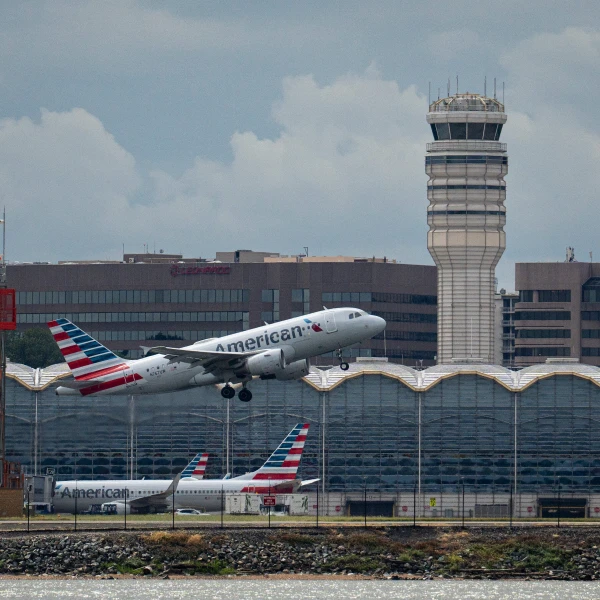
The Gulf’s aviation sector has long thrived on its role as the world’s most seamless transit point. But recent airspace closures and airline suspensions have given travelers—and competing hubs—an opening to explore alternatives. Turkish Airlines, for instance, slashed Middle East capacity by 26% in Q3 2026 while boosting East Asian routes by 18%, signaling a potential permanent shift in global traffic patterns.
Industry leaders are now debating how aggressively to win back displaced passengers while preparing for a future where geopolitical instability may persist. Key questions dominate the conversation:
- Where should airlines position themselves as traffic returns?
- Which markets have competing hubs captured that may be impossible to reclaim?
- How much should geopolitical risk factor into long-term fleet and network planning?
"The old playbook won’t work anymore," said a Gulf airline CEO. "We need to build resilience into every route and every aircraft."
2. Is the Gulf Building the Right Hotels for Tomorrow’s Travelers?
The region’s hospitality sector has long bet big on luxury, but the next phase of growth may depend on travelers with far more modest budgets. Domestic tourists, regional visitors, and business travelers from Asia are reshaping demand—yet the hotel pipeline remains skewed toward high-end properties. Of the 771 hotel projects in the Middle East’s construction pipeline at the end of Q3 2026, 78% are classified as luxury, upper-upscale, or upscale.
Executives are now asking whether this imbalance risks leaving the Gulf short of mid-market supply—or overbuilding luxury properties that may struggle to attract guests in a post-conflict world. The decisions are urgent:
- How much midscale supply does the region need before major events in 2030 and 2034?
- Should existing projects pivot their positioning before opening?
- Where do short-term rentals and flexible accommodations fit into the mix?
"We can’t afford to wait for the dust to settle," said a regional hotel operator. "The travelers of 2030 are already booking today."
3. Can the Gulf Double Down on Asian Demand—or Is It a Gamble?
Asia has emerged as the Gulf’s most promising growth frontier. India’s outbound travel market is projected to hit $55.4 billion by 2034, while China remains a critical source market for the UAE, accounting for 5% of inbound volume. Yet the opportunity comes with risks: India’s aviation sector is capacity-constrained, and Chinese demand can vanish overnight due to safety concerns or airline suspensions.
The forum’s discussions centered on whether Gulf operators should accelerate investments in Asian-market products, air access, and distribution—or tread cautiously until demand stabilizes. Key considerations include:
- Which Asian markets offer the best balance of volume, spending, and resilience?
- How must hospitality products adapt to compete for Asian travelers?
- Where is insufficient air access crippling otherwise strong demand?
"Asia is our future, but the path isn’t straightforward," said a South Asian hotel leader. "We need to be smart about where we place our bets."
4. Can Mega-Events and Year-Round Attractions Coexist?
Major events like Abu Dhabi’s Formula 1 race week have proven their power to drive exceptional demand—hotel rates soared to $900 per night during the 2025 event, compared to $200 during off-peak periods—but they’re not enough on their own. The Gulf is now investing heavily in permanent cultural, entertainment, and leisure assets to build year-round appeal.
The challenge? Balancing the highs of event-driven peaks with the steady demand of a broader calendar. Destinations must decide:
- Which events create lasting demand beyond their immediate impact?
- How can permanent attractions sustain interest between major events?
- Where should investments focus to maximize both short-term spikes and long-term loyalty?
"Events are the spark, but the flame needs fuel," said a destination marketing executive. "We need both."
5. How Will the Gulf Redefine Its Tourism Identity?
Perhaps the most profound question facing the industry is whether the Gulf’s tourism model needs a fundamental overhaul. For decades, the region’s appeal was built on luxury, exclusivity, and spectacle. Today, travelers—especially from Asia—are seeking authenticity, affordability, and experiences that resonate beyond the glitz of skyscrapers and shopping malls.
The decisions being made now will determine whether the Gulf can pivot to a more inclusive, resilient, and adaptable tourism economy—or whether it will cling to a model that no longer fits the times.
"The Gulf’s tourism story isn’t over," said a forum attendee. "But it’s being rewritten right now."
The Road Ahead
The Skift Global Forum East 2026 served as a wake-up call for an industry that has long operated on autopilot. The Gulf’s tourism leaders are no longer debating if they need to change—they’re racing to figure out how.
One thing is clear: the decisions made in the next 12 months will shape the region’s tourism landscape for decades to come.