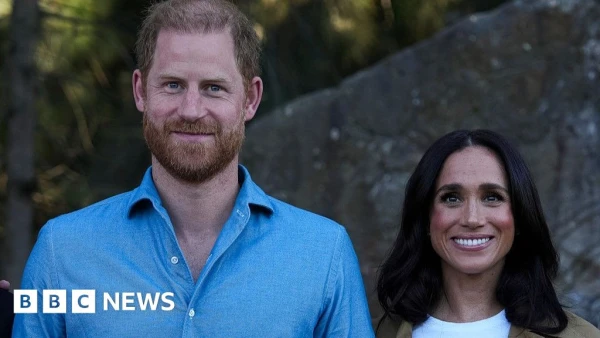
Prince Harry and Meghan Markle have concluded a four-day visit to Australia's east coast, blending charitable engagements with commercial activities that have drawn both admiration and scrutiny. The trip, which included stops in Sydney and Melbourne, featured elements reminiscent of a royal tour but unfolded with notably less public fanfare compared to their 2018 visit as working royals.
While the couple engaged warmly with supporters—such as when Harry hugged Michelle Haywood, daughter of a late war widow he had met previously, and Meghan connected with survivors of the Bondi Beach attack—many Australians remained indifferent or unaware of their presence. This subdued reception contrasted sharply with the crowds that greeted them six years ago, highlighting their shift to private life.
"If they think it's gone well, it's because nothing has gone wrong," observed Giselle Bastin, an associate professor at Flinders University. "They've managed to minimize the risk of negative reactions through carefully controlled appearances."
The visit also sparked debate over its commercial aspects. Harry spoke at a mental health summit where tickets cost nearly A$1,000, though organizers declined to confirm if he received a fee, stating proceeds went to charity. Meghan participated in a high-priced retreat and was revealed as an investor in an AI fashion platform, OneOff, which features items she wore during the tour. Notably, she also filmed an unpaid episode of MasterChef Australia, aligning with her culinary interests.
Press releases from the Sussexes' team emphasized themes of "connection" and "community," with mental health as a recurring focus. Meghan shared her experiences of online trolling, describing herself as "the most trolled person in the world" for a decade. Despite these personal touches, some critics questioned the timing of luxury events amid a cost-of-living crisis, with one columnist calling parts of the tour "tone deaf."
As Harry and Meghan navigate life beyond royal duties, their Australian trip underscored the balancing act between philanthropy and commerce, leaving a mixed legacy of heartfelt moments and commercial intrigue.