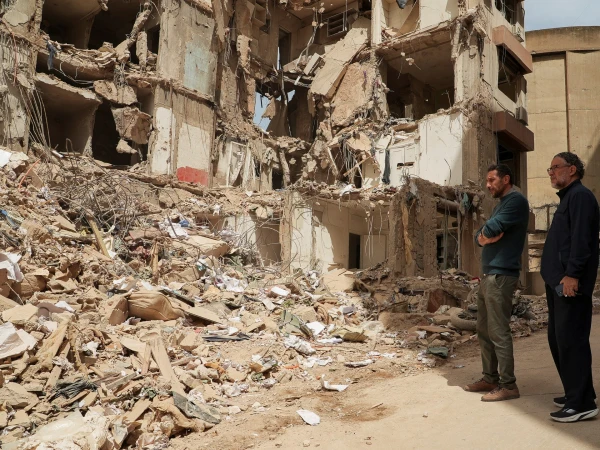
In a landmark diplomatic development, Israel and Lebanon have agreed to resume direct talks after more than three decades of silence, signaling a potential breakthrough in regional tensions. The discussions, which mark the first official dialogue between the two nations since 1991, aim to address longstanding conflicts and explore pathways toward a sustainable ceasefire.
Analysts note that the timing of these talks coincides with escalating regional instability, prompting both sides to seek de-escalation measures. While details of the agenda remain confidential, sources indicate that border security, maritime disputes, and humanitarian concerns are likely priorities.
"This dialogue represents a critical opportunity to transform decades of hostility into constructive engagement," remarked a senior diplomatic official familiar with the negotiations. "Both parties recognize the urgent need to prevent further escalation."
The resumption of talks follows months of behind-the-scenes mediation by international actors, though significant challenges persist. Historical grievances, political divisions within Lebanon, and Israel's security concerns complicate the path forward. Nevertheless, the mere act of convening talks after 34 years is viewed as a symbolic step toward reconciliation.
Observers caution that while optimism is warranted, tangible outcomes will require sustained commitment and compromise from both sides. The international community has expressed cautious support, emphasizing the potential for these talks to serve as a model for conflict resolution in the region. As preparations continue, all eyes remain on whether this historic dialogue can translate into lasting peace.