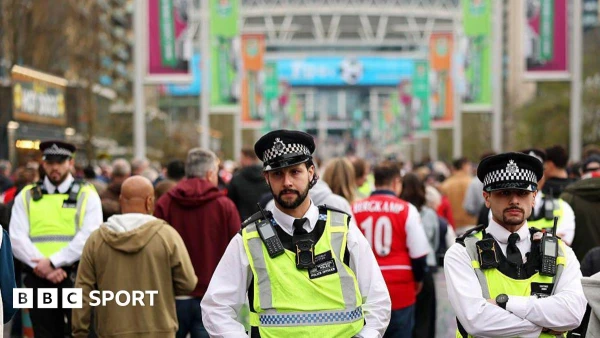
Two football fans have made legal history as the first individuals convicted under England's new tailgating legislation, receiving three-year banning orders after attempting unauthorized entry at the Carabao Cup final.
Kamal McEwan and Alex Clark were apprehended during Manchester City's 2-0 victory over Arsenal at Wembley Stadium on March 22, marking the inaugural enforcement of recently implemented laws targeting ticketless entry at football matches.
Willesden Magistrates' Court confirmed the rulings on April 10, with McEwan fined £471 for unauthorized entry while Clark received a £1,862 penalty for both unauthorized entry and possession of a Class A drug. A third individual arrested under the same legislation is scheduled to appear in court on May 1.
"This new legislation is already having a real and immediate impact," said Wembley Stadium director Mark Lynch. "Previously, there were no specific criminal penalties for those trying to enter the stadium without a ticket, placing significant pressure on our crowd safety teams. This new legislation now closes that gap and ensures offenders are dealt with appropriately."
Lynch emphasized that the cases establish a clear precedent: "These cases send a clear message that any attempt to gain unauthorized access to football matches will not be tolerated and will result in firm action including large fines and lengthy football banning orders."
Metropolitan Police Chief Inspector Pete Dearden reinforced the commitment to enforcement, stating: "Our officers acted quickly and decisively at the Carabao Cup final, and these convictions demonstrate that antisocial, dangerous and criminal behaviour at football matches will be met with firm enforcement action."
Dearden added that authorities will continue collaborating with the Football Association and other partners to "prevent the minority who seek to cause harm or disruption from doing so."
The landmark convictions represent the first application of legislation specifically designed to address tailgating—the practice of following closely behind authorized ticket holders to bypass security checkpoints—which previously lacked dedicated legal consequences despite posing significant safety concerns at major sporting events.