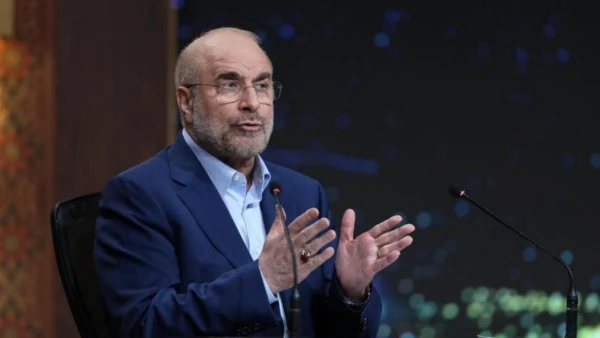
If a photograph emerges this weekend showing U.S. Vice-President JD Vance standing beside Iran's Parliamentary Speaker Mohammad Bagher Ghalibaf in Islamabad, it will capture a historic moment. This meeting would represent the highest-level direct contact between the United States and Iran since the 1979 Islamic Revolution severed their once-strong strategic ties—a rupture that continues to define a relationship marked by deep hostility.
"The dispatch of more senior officials and the high stakes of failure for all sides could open possibilities that weren't there before," assesses Ali Vaez of the International Crisis Group.
However, Vaez cautions that the current diplomatic effort is "exponentially harder" than past attempts. The gulf of distrust between the two nations remains vast, particularly for Tehran after previous negotiation rounds in June 2025 and February of this year were abruptly derailed by the outbreak of a U.S.-Israeli military campaign.
There is no expectation that President Donald Trump's recent optimistic prediction of a swift "peace deal" will materialize during the current fragile two-week ceasefire, whose terms have been contested since their announcement. The path forward is fraught with contrasting negotiating styles and profound disagreements.
The U.S. delegation, led by special envoy Steve Witkoff—a former property developer—and Trump's son-in-law Jared Kushner, employs an informal approach that has often heightened Iranian suspicions. In contrast, Iran has insisted on raising the diplomatic level to include Vice-President Vance, viewed within Tehran as the strongest skeptic of the military campaign in Trump's inner circle. Iran has also predominantly insisted on indirect negotiations through Omani mediators, limiting direct contact.
This stands in stark contrast to the detailed diplomatic efforts a decade ago, which involved large teams of experienced diplomats, physicists, and international partners culminating in the 2015 nuclear agreement—a deal President Trump later abandoned, dismissing it as the "worst deal in history."
The security landscape has shifted dramatically. The recent conflict has intensified hardline voices within Iran's security establishment advocating for nuclear weapons development. Tehran is now expected to insist on retaining its ballistic missile arsenal and influence over the strategic Strait of Hormuz as non-negotiable elements of its defense and economic policy.
Meanwhile, Gulf Arab states—initially opposed to the 2015 deal but later cautiously engaging with Iran—are now demanding that missiles which have struck their territories be included in any new agreement. Israel, led by Prime Minister Benjamin Netanyahu, is certain to exert pressure to ensure its core security concerns regarding Iran are addressed.
The talks in Islamabad represent the most significant diplomatic push since the collapse of the nuclear deal. While a handshake or a smile between Vance and Ghalibaf seems unlikely, their mere presence at the table signals a critical, if precarious, attempt to de-escalate a conflict with global repercussions and explore whether diplomacy can still forge a path forward.