The moment the doctor uttered the word disabled, my world tilted. Not because I couldn’t walk, see, or hear—but because I suddenly saw the world through a lens I’d never worn before. That diagnosis wasn’t just a medical label; it was an invitation to a life I never knew existed.
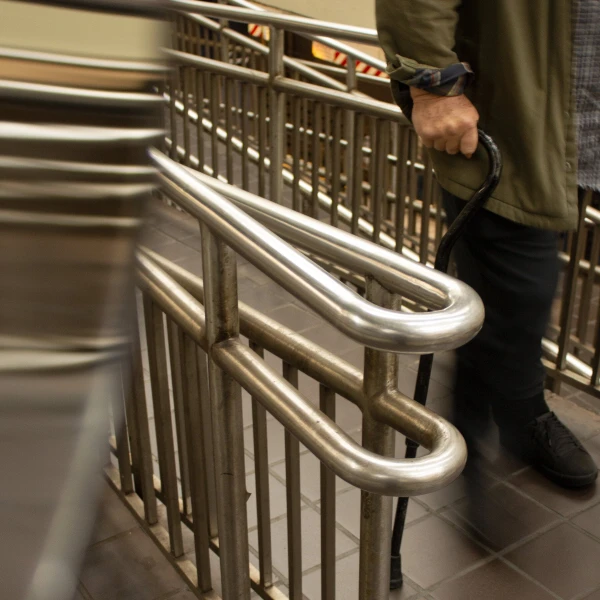
At 42, I was the picture of health—until I wasn’t. A rare neurological condition stripped away my mobility overnight, leaving me to navigate a world built for the able-bodied. Ramps, elevators, and automatic doors became my lifelines, but they also revealed how many spaces still treat accessibility as an afterthought. I learned that kindness isn’t universal; some people stare, others avert their gaze, and a rare few ask, How can I help?
Yet, in the wreckage of my old life, something unexpected bloomed. I discovered a community of people who, like me, refused to be defined by their limitations. We shared stories of resilience, not pity. We celebrated small victories—like finally finding a café with a step-free entrance or mastering a new assistive device. The world didn’t change overnight, but my perspective did. I realized that disability isn’t a tragedy; it’s a different kind of living.
"The only disability in life is a bad attitude." — Scott Hamilton
Now, I advocate for accessibility in ways I never would have before. I push for better infrastructure, demand inclusive design, and refuse to let society’s barriers dictate my potential. My disability didn’t close doors—it opened them to a world I’d overlooked. And that’s a gift I never expected.