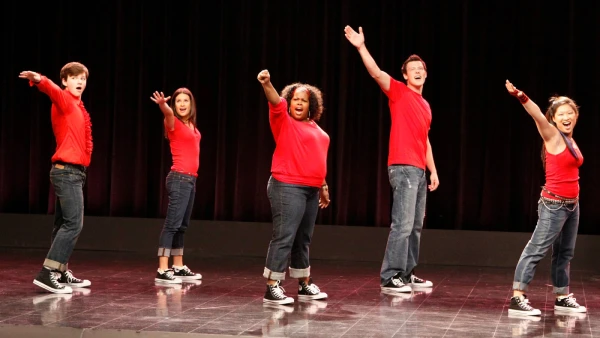
When Glee premiered in 2009, it didn’t just introduce a new television phenomenon—it rewrote the rules of how music is discovered, consumed, and charted. The show’s blend of pop culture, high-energy performances, and relatable storytelling turned its cast into chart-topping stars overnight, while reshaping the music industry’s approach to marketing and sales. Now, with a highly anticipated reboot on the horizon, the legacy of Glee’s musical impact remains unmatched.
"We didn’t just want to be a show about singing—we wanted to be a show that changed how people listened to music." — Ryan Murphy, creator of Glee
The Chart-Altering Formula
Glee’s formula was simple yet revolutionary: take a well-known song, strip it down to its emotional core, and perform it with the show’s signature blend of drama and spectacle. This approach didn’t just entertain viewers—it created a new revenue stream for record labels desperate to stay relevant in the digital age. Songs like "Defying Gravity" from Wicked and "Sweet Dreams" by Beyoncé saw unexpected spikes in sales after their Glee performances, often outperforming the originals.
The show’s impact was immediate. In its first season alone, Glee placed 12 songs on the Billboard Hot 100, a feat unheard of for a TV series at the time. By the end of its run, it had amassed 207 chart entries, with 80 reaching the top 40. For comparison, American Idol—a singing competition with a built-in fanbase—had 145 top 40 hits over its 15-year run.
A Cultural Shift in Music Discovery
Before streaming dominated the industry, Glee proved that television could be a launchpad for musical careers. Artists like Lea Michele and Matthew Morrison became household names, while the show’s covers introduced younger audiences to classic and contemporary hits alike. The phenomenon even spawned a generation of "Glee-style" performances in school talent shows and community theaters worldwide.
The reboot, expected to premiere in late 2025, arrives at a time when music consumption has evolved yet again. With TikTok and Spotify dominating discovery, the question remains: Can Glee recapture its magic in an era where algorithms dictate taste? Early reactions suggest the nostalgia factor alone could drive a resurgence in interest.
The Industry’s Lasting Obsession
The music industry’s obsession with Glee wasn’t just about sales—it was about survival. As digital piracy eroded traditional revenue streams, record labels turned to television as a lifeline. The show’s success proved that a well-placed performance could revive a fading hit or introduce a classic to a new generation.
Today, artists and labels still chase the Glee effect, though few have replicated its cultural footprint. The reboot may not just revive a TV show—it could reignite a conversation about the power of television to shape musical tastes in the digital age.