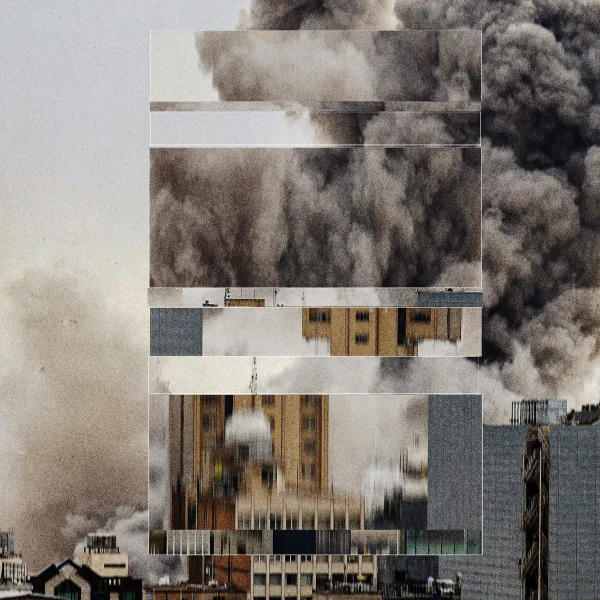
The nature of conflict is shifting, and with it, the way we consume information about war. Social media platforms, originally designed for connection and entertainment, are now being used as tools to broadcast, frame, and even glorify warfare. In the digital age, the line between news and content has blurred, turning real-world violence into a form of engagement.
As videos and images of combat spread across feeds, they often lack context, reducing complex geopolitical struggles to short clips that can be liked, shared, and commented on. This transformation has raised concerns among experts who warn that such content can desensitize audiences and trivialize the suffering of those caught in conflict.
"When you see a missile strike in your feed between a dance video and a recipe, it changes how you perceive the event," a media analyst said. "It becomes another piece of content, stripped of its gravity."
The phenomenon is not new, but its scale is unprecedented. Platforms like TikTok, Instagram, and X (formerly Twitter) have become primary sources of information for millions, especially younger generations. Algorithms designed to maximize engagement often prioritize sensational or graphic material, creating a feedback loop that rewards the most dramatic depictions of war.
Governments and armed groups have also adapted, using social media to control narratives. Official accounts and unofficial propagandists produce polished, cinematic footage that can manipulate public opinion. Meanwhile, citizen journalists on the ground upload raw, unfiltered reality, creating a chaotic mix of perspectives.
Critics argue that the constant exposure to war-related content can lead to compassion fatigue, where repeated exposure to suffering numbs the emotional response. Moreover, the lack of editorial oversight means misinformation can spread rapidly, further complicating public understanding.
Still, some see a positive side: the ability to bear witness in real-time, to hold power accountable, and to mobilize humanitarian aid. The challenge, they say, is to balance engagement with responsibility.
As platforms grapple with their role, the question remains: Can social media be a tool for awareness without becoming a vehicle for entertainment?