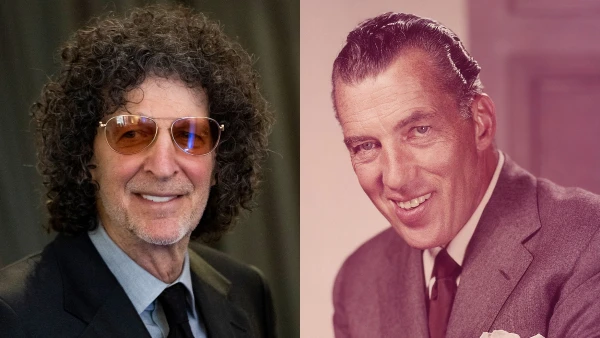
The Rock & Roll Hall of Fame's recent announcement of a posthumous honor for Ed Sullivan in its 2026 class has reignited discussions about another broadcasting icon's exclusion: Howard Stern. Known as the "King of All Media," Stern's decades-long influence on radio, television, and popular culture has led many to question why he remains absent from the institution's roster.
While Sullivan's induction acknowledges his role in bringing rock music to mainstream audiences through his variety show, critics argue that Stern's impact on the industry is equally significant. His groundbreaking radio program, which revolutionized talk radio with its unfiltered interviews and cultural commentary, has featured countless rock legends and shaped music discourse for generations.
"The Hall's recognition of Sullivan shows they value media figures who amplified rock music," said one industry observer. "But Stern didn't just amplify it—he transformed how we talk about it, challenge it, and celebrate it. His interviews with artists from Paul McCartney to Metallica have become essential listening for music fans."
Supporters point to Stern's role in breaking new artists, his influence on music journalism, and his ability to connect rock's rebellious spirit with contemporary media. As the Hall continues to evolve its criteria beyond traditional performers, the debate over Stern's potential induction highlights broader questions about what constitutes "rock and roll" in the modern media landscape.