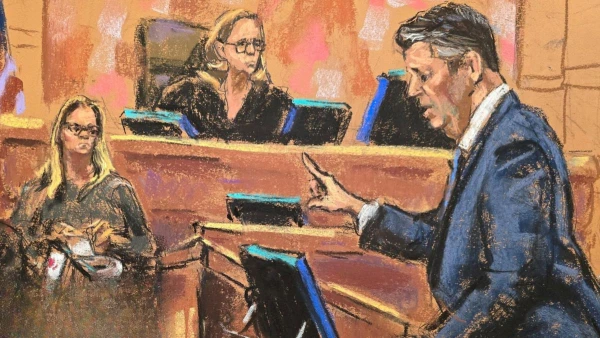
A federal jury in Brooklyn delivered a decisive verdict on Tuesday, convicting Chinese telecommunications giant Huawei on multiple counts of stealing trade secrets from U.S. companies. The landmark decision caps an 11-week trial that exposed alleged corporate espionage tactics, including internal programs designed to recruit insiders and extract proprietary technology.
The jury found Huawei guilty on 10 of the 12 criminal charges it faced, including conspiracy to steal trade secrets, conspiracy to defraud the United States, and bank fraud. Prosecutors argued that Huawei operatives systematically targeted employees of American telecom firms, offering financial incentives to those who provided sensitive industrial data. This information allegedly allowed the Chinese company to replicate competitors' products at significantly lower costs, undermining fair market competition.
"The evidence presented in this trial revealed a deliberate and systematic effort by Huawei to steal intellectual property from U.S. companies," said a spokesperson for the U.S. Department of Justice. "Today’s verdict sends a clear message that such actions will not be tolerated."
Despite the convictions, the jury acquitted Huawei on two counts: racketeering conspiracy and obstruction of justice. The company, which has long denied the allegations, plans to appeal the decision, calling the trial a politically motivated attack driven by geopolitical tensions.
The case stems from a broader U.S. crackdown on Huawei, which the Trump administration accused of posing a national security risk due to its alleged ties to the Chinese government. The U.S. has since pressured allies to exclude Huawei from 5G network infrastructure, citing concerns over potential espionage and data vulnerabilities.
Legal experts suggest the verdict could have far-reaching implications for international corporate espionage cases, setting a precedent for how trade secret theft is prosecuted in U.S. courts. Huawei’s legal team has vowed to challenge the ruling, arguing that the prosecution’s case relied on circumstantial evidence and failed to prove intent beyond a reasonable doubt.