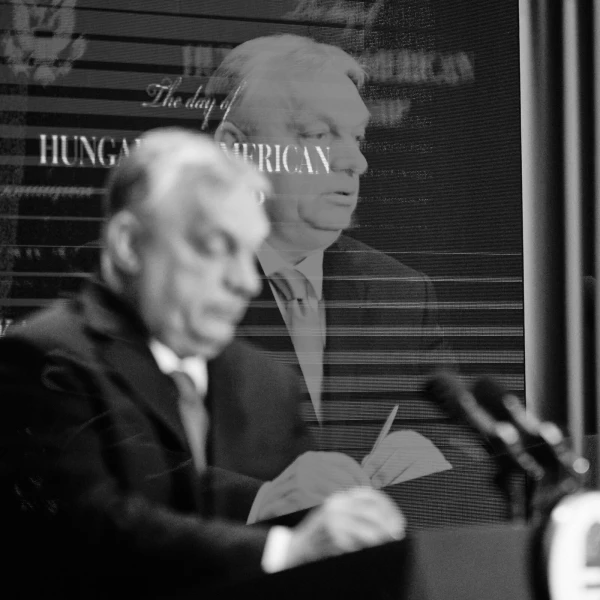
In a surprising political development, Hungarian Prime Minister Viktor Orban faced a significant setback in recent elections, marking a rare stumble for the long-dominant leader. However, analysts caution that this defeat represents just one battle in a much larger war, with populist movements continuing to gain ground across the European continent.
Political observers note that while Orban's Fidesz party lost ground in key urban areas, his brand of nationalist politics remains deeply entrenched in Hungary's political landscape. "This isn't the end of populism in Hungary," explained Dr. Elena Kovacs, a political scientist at Central European University. "Orban has fundamentally reshaped the country's institutions over the past decade, creating structures that will outlast any single election cycle."
Across Europe, similar movements continue to challenge traditional political establishments. In Italy, Giorgia Meloni's Brothers of Italy party maintains strong support despite economic challenges. Poland's Law and Justice party, though recently ousted from government, retains substantial popular backing. Even in countries with strong democratic traditions like France and Germany, populist parties consistently poll between 15-25% of the vote.
What makes these movements particularly resilient, according to analysts, is their ability to adapt to local conditions while maintaining core nationalist themes. They've successfully tapped into widespread concerns about immigration, economic inequality, and what supporters describe as "excessive" European Union influence over national sovereignty.
"The populist playbook has evolved beyond simple anti-establishment rhetoric," noted political commentator Markus Weber. "These movements now offer comprehensive alternative visions for society, complete with their own media ecosystems, educational institutions, and cultural narratives. They're building parallel structures that ensure their influence persists regardless of electoral outcomes."
Economic factors continue to fuel populist sentiment. Rising inflation, stagnant wages in many sectors, and perceived unfairness in global trade arrangements have created fertile ground for politicians promising economic nationalism and protectionist policies. The COVID-19 pandemic further accelerated these trends, with populist leaders positioning themselves as defenders of national interests against what they characterize as globalist solutions.
Despite Orban's recent electoral setback, his political model continues to inspire similar movements elsewhere. Leaders from Spain's Vox party to Sweden's Sweden Democrats have studied Hungary's approach to media control, judicial appointments, and educational reform. This cross-border pollination of ideas suggests that European populism has matured into a sophisticated, interconnected movement rather than a collection of isolated political phenomena.
The resilience of these movements presents a complex challenge for traditional centrist parties across Europe. Simply defeating populist candidates at the ballot box no longer guarantees the erosion of their influence, as their ideas have permeated mainstream political discourse and reshaped policy debates on issues ranging from immigration to EU reform.
As Europe faces ongoing challenges including energy security, migration pressures, and economic uncertainty, populist movements appear well-positioned to capitalize on public anxieties. Their ability to frame complex issues in simple, emotionally resonant terms continues to resonate with significant segments of the electorate, ensuring that the populist wave will remain a defining feature of European politics for the foreseeable future.