Opinion | Indicting Castro Isn’t Justice - The New York Times
Skip to contentSkip to site indexSearch & Section Navigation Section Navigation
Search
Thursday, May 21, 2026
Opinion|Indicting Castro Isn’t Justice
https://www.nytimes.com/2026/05/21/opinion/cuba-castro-indictment-president.html
-
Share full article
-
29
Advertisement
Supported by
Guest Essay
Indicting Castro Isn’t Justice
May 21, 2026
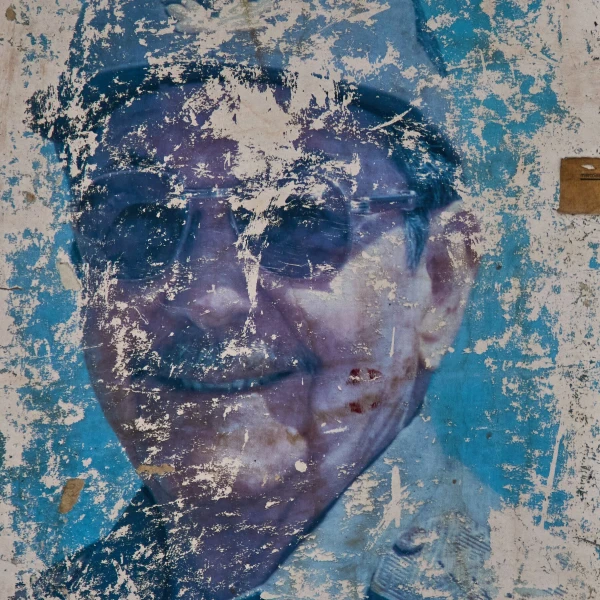
Images of Raúl Castro adorn walls around Havana, Cuba.Credit...Ramon Espinosa/Associated Press
Listen · 7:43 min
-
Share full article
-
29
By Michael J. Bustamante
Dr. Bustamante is the author of “Cuban Memory Wars.”
Thirty years after Cuban MiG-29 fighter jets shot down two Cessnas operated by the Miami-based humanitarian group Brothers to the Rescue, killing four people, including three U.S. citizens, flying in international airspace over the Florida Straits, U.S. federal prosecutors have issued an indictment against Raúl Castro for his alleged role in authorizing the attack.
For the families of the dead, the announcement brings a measure of justice, regardless of whether Mr. Castro, 94, who was minister of defense at the time and later the head of state, ever sees a day in court. It is impossible, though, to separate the move from the Trump administration’s escalating pressure campaign against Havana over the past several months.
Since January, the United States has imposed a de facto oil blockade on Cuba with punishing humanitarian consequences, threatened sweeping new sanctions on foreign companies doing business with the island and issued direct ultimatums to Cuban officials to reform their political and economic system — or else. If the Trump administration lacked a pretext for pushing its confrontation with Havana toward military action, with the ultimate goal of regime change, the indictment may clear the way.
But the threat of a Castro prosecution in the United States also opens a window onto a larger problem that Cubans will confront in any future transition from the revolutionary government established in 1959 — especially if political change arrives through Washington’s intervention.
Advertisement
How should Cubans reckon with the many injustices accumulated over nearly seven decades of revolution, exile and, yes, geopolitical conflict with their northern neighbor? How can they reconcile competing attitudes in Cuban communities toward the role of the United States in their national identity and life? Can the country afford to reopen the past if it hopes to move forward? Can it afford not to?
The choreography around Wednesday’s indictment highlights the stakes. The announcement of the indictment on May 20, Cuba’s original independence day, was calibrated to conjure larger battles over Cubans’ collective memory. The date in 1902 marked the end of four years of U.S. military occupation after the United States intervened in the midst of Cuba’s final war for independence against Spain. Washington thereafter imposed strict limitations on the island’s sovereignty as a condition for allowing Cubans to govern themselves.
Subscribe to The Times to read as many articles as you like.
Read 29 comments
-
Share full article
-
29
Related Content
Advertisement
Site Index
Site Information Navigation
To leave without signing in, use your browser's Back button.
Enjoy unlimited access to all of The Times.